






 LATEST ART BOOKS
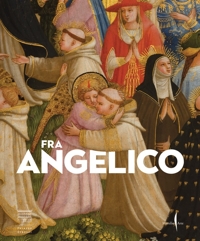
Beato Angelico. Ediz. a colori
Firenze, Palazzo Strozzi, September 26, 2025 - January 25, 2026.
Edited by Carl Brandon Strehlke.
Testi di Stefano Casciu, Marco Mozzo, Angelo Tartuferi.
Venezia, 2025; hardback, pp. 440, 300 col. ill., cm 25,2x29,8.
cover price: € 80.00
|
Books included in the offer:
Beato Angelico. Ediz. a colori
Firenze, Palazzo Strozzi, September 26, 2025 - January 25, 2026.
Edited by Carl Brandon Strehlke.
Testi di Stefano Casciu, Marco Mozzo, Angelo Tartuferi.
Venezia, 2025; hardback, pp. 440, 300 col. ill., cm 25,2x29,8.
FREE (cover price: € 80.00)
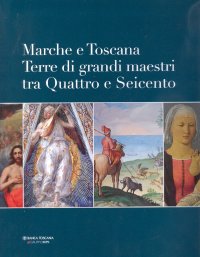
Marche e Toscana. Terre di grandi maestri tra Quattro e Seicento
Ospedaletto, 2007; bound, pp. 320, col. ill., col. plates, cm 25,5x29.
FREE (cover price: € 77.00)
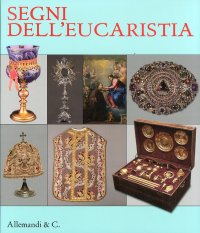
Segni dell'Eucarestia
Edited by M. Luisa Polichetti.
Ancona, Osimo, Loreto Jesi, Senigallia, Fabriano e Metelica, 23 giugno - 31 ottobre 2011.
Torino, 2011; paperback, pp. 221, b/w and col. ill., cm 24x28.
FREE (cover price: € 32.00)
The Cloister of Bramante and Raphael's Fresco of the Sibyls
Costantino D'Orazio
Skira
English Text.
Milano, 2021; paperback, pp. 80, 60 col. ill., cm 15x21.
(Guide Artistiche).
series: Guide Artistiche
ISBN: 88-572-4591-8 - EAN13: 9788857245911
Subject: Monographs (Painting and Drawing),Painting
Period: 1400-1800 (XV-XVIII) Renaissance
Languages: 
Weight: 1 kg
One of these is Bramante's cloister, a masterpiece that ushered in the 16th century and became a source of inspiration for the great masters who arrived in Rome in the following years, including Michelangelo and, above all, Raphael. Inside the church of Santa Maria della Pace, annexed to Bramante's cloister, the artist of Urbino would create an absolute masterpiece, the fresco of the Sibyls in the Chigi chapel. With Bramante, the cloister - a place steeped in centuries-old traditions - became a space where he could apply his study of harmony based on the Vitruvian principles of firmitas, utilitas and venustas: solidity, functionality and elegance. In its perfect arches, the architect gave shape to a system of optical illusions favouring the harmonisation of the forms, made possible by human perception: it was a principle that would be repeated on a monumental scale by the architects of subsequent generations.
When Pietro da Cortona was called on, more than a century later, to remodel the Santa Maria della Pace complex, he was able to profit from Bramante's vast experience and make good use of the principles of symmetry and equilibrium to create an exquisitely Baroque setting of immense fascination.

Pietro Bellotti Detto Canaletty. Un Vedutista Veneziano nella Francia dell'Ancien Régime
Gli occhi dell'arte. Scritti, studi e opere in onore di Ferdinando Peretti. Ediz. italiana e inglese

Studi e ricerche di storia dell'architettura (2024). Vol. 16: Rootless-Senza radici
Conte e Mattarella. Sul palcoscenico e dietro le quinte del Quirinale. Un racconto sulle istituzioni
