






 LATEST ART BOOKS
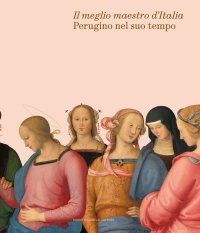
Perugino e il Suo Tempo. "Il Meglio Maestro d'Italia"
Perugia, Galleria Nazionale dell'Umbria, March 4 - June 11, 2023.
Edited by Picchiarelli V. and Pierini M.
Milano, 2023; bound, pp. 592, 650 col. ill., cm 24x21.
cover price: € 40.00
|
Books included in the offer:
Perugino e il Suo Tempo. "Il Meglio Maestro d'Italia"
Perugia, Galleria Nazionale dell'Umbria, March 4 - June 11, 2023.
Edited by Picchiarelli V. and Pierini M.
Milano, 2023; bound, pp. 592, 650 col. ill., cm 24x21.
FREE (cover price: € 40.00)
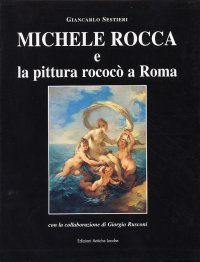
Michele Rocca e la pittura rococo a Roma
Brescia, 2004; bound in a case, pp. 310, b/w and col. ill., tavv., cm 24,5x31,5.
FREE (cover price: € 180.00)
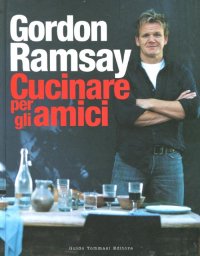
Cucinare per gli amici
Translation by S. Mancuso.
Milano, 2012; clothbound, pp. 269, ill., cm 21x26,5.
(Gli Illustrati).
FREE (cover price: € 29.90)
Isabella d'Este and Francesco Gonzaga. Power Sharing at the Italian Renaissance Court
Cockran Sarah D.P
Ashgate Publishing Limited
English Text.
Aldershot, 2013; hardback, pp. 250, ill., cm 17x24.
ISBN: 1-4094-4831-2 - EAN13: 9781409448310
Subject: Essays (Art or Architecture),Painting
Languages: 
Weight: 0.68 kg
The book draws on (and presents) a large amount of unpublished archival material, including almost unprecedented surviving correspondence between and around these Renaissance princely rulers. Using these sources, Cockram shows Isabella and Francesco's strategic teamwork in action, illuminating tactics of collaboration and dissimulation. She also reveals behind-the-scenes diplomatic activity; court procedures; sexual politics and seduction; gift-giving and network-building; rivalries, intrigues and assassinations. Several epistolary themes emerge: insights into the couple's communication practices and double-dealing, their use of intermediaries, and attention to security matters.
This book's analysis of Isabella's co-rule with her husband, supported by other members of the Gonzaga dynasty, sees her sometimes in the role of subordinate partner, sometimes guiding the couple's actions. It shows how, despite appearances at times, the couple shared common diplomatic policy as well as human, material, and cultural resources; joint administration; and the exercise of authority and justice. Thus emerges a three-dimensional picture of the mechanisms of power and power sharing in the age of Machiavelli.

Pietro Bellotti Detto Canaletty. Un Vedutista Veneziano nella Francia dell'Ancien Régime
Il poliedrico SID in B/N. Nella pittura, nella scultura, nella grafica e nella street art
Building in Africa. Cape to Cairo in 150 days: experiences of an engineer

Gigante 2027. Catalogo nazionale delle monete italiane dal '700 alla fine della lira
Il libro della magia cerimoniale. La tradizione segreta nella Goetia
Conte e Mattarella. Sul palcoscenico e dietro le quinte del Quirinale. Un racconto sulle istituzioni
