






 LATEST ART BOOKS
Beato Angelico. Ediz. a colori
Firenze, Palazzo Strozzi, September 26, 2025 - January 25, 2026.
Edited by Carl Brandon Strehlke.
Testi di Stefano Casciu, Marco Mozzo, Angelo Tartuferi.
Venezia, 2025; hardback, pp. 440, 300 col. ill., cm 25,2x29,8.
cover price: € 80.00

|
Books included in the offer:
Beato Angelico. Ediz. a colori
Firenze, Palazzo Strozzi, September 26, 2025 - January 25, 2026.
Edited by Carl Brandon Strehlke.
Testi di Stefano Casciu, Marco Mozzo, Angelo Tartuferi.
Venezia, 2025; hardback, pp. 440, 300 col. ill., cm 25,2x29,8.
FREE (cover price: € 80.00)
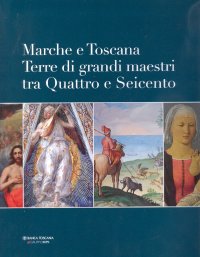
Marche e Toscana. Terre di grandi maestri tra Quattro e Seicento
Ospedaletto, 2007; bound, pp. 320, col. ill., col. plates, cm 25,5x29.
FREE (cover price: € 77.00)
Segni dell'Eucarestia
Edited by M. Luisa Polichetti.
Ancona, Osimo, Loreto Jesi, Senigallia, Fabriano e Metelica, 23 giugno - 31 ottobre 2011.
Torino, 2011; paperback, pp. 221, b/w and col. ill., cm 24x28.
FREE (cover price: € 32.00)

Otto Dix und die Neue Sachlichkeit. Das Auge der Welt
Bulk Julia
Hatje Cantz
Kunstmuseum, Stuttgart ,10 November 2012 - 7 April 2013.
German Text.
Ostfildern, 2012; hardback, pp. 232, 130 col. ill., cm 24x29.
Other editions available: English edition 3-7757-3491-2
ISBN: 3-7757-3439-2 - EAN13: 9783775734394
Subject: Monographs (Painting and Drawing)
Period: 1800-1960 (XIX-XX) Modern Period
Languages: 
Weight: 1.58 kg
Die Publikation beleuchtet erstmals die Neue Sachlichkeit vor dem Hintergrund der Weimarer Republik und des Nationalsozialismus. Dix' Werke, das Schlüsselbild Großstadt-Triptychon (1928/29), die großartigen psychologisierenden Porträts sowie nicht zuletzt die versteckt symbolischen Landschaften seiner Jahre am Bodensee bilden dabei den Ausgangspunkt der Betrachtung. Sie werden in Beziehung zu Arbeiten von George Grosz, Rudolf Schlichter oder Christian Schad gesetzt und so ein neuer Blick auf dieses zentrale Kapitel deutscher Kunstgeschichte geworfen.

Pietro Bellotti Detto Canaletty. Un Vedutista Veneziano nella Francia dell'Ancien Régime
Gli occhi dell'arte. Scritti, studi e opere in onore di Ferdinando Peretti. Ediz. italiana e inglese

Studi e ricerche di storia dell'architettura (2024). Vol. 16: Rootless-Senza radici
Conte e Mattarella. Sul palcoscenico e dietro le quinte del Quirinale. Un racconto sulle istituzioni
