






 LATEST ART BOOKS
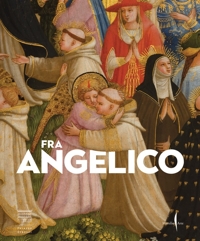
Beato Angelico. Ediz. a colori
Firenze, Palazzo Strozzi, September 26, 2025 - January 25, 2026.
Edited by Carl Brandon Strehlke.
Testi di Stefano Casciu, Marco Mozzo, Angelo Tartuferi.
Venezia, 2025; hardback, pp. 440, 300 col. ill., cm 25,2x29,8.
cover price: € 80.00
|
Books included in the offer:
Beato Angelico. Ediz. a colori
Firenze, Palazzo Strozzi, September 26, 2025 - January 25, 2026.
Edited by Carl Brandon Strehlke.
Testi di Stefano Casciu, Marco Mozzo, Angelo Tartuferi.
Venezia, 2025; hardback, pp. 440, 300 col. ill., cm 25,2x29,8.
FREE (cover price: € 80.00)
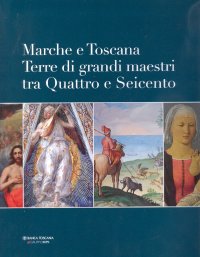
Marche e Toscana. Terre di grandi maestri tra Quattro e Seicento
Ospedaletto, 2007; bound, pp. 320, col. ill., col. plates, cm 25,5x29.
FREE (cover price: € 77.00)
Segni dell'Eucarestia
Edited by M. Luisa Polichetti.
Ancona, Osimo, Loreto Jesi, Senigallia, Fabriano e Metelica, 23 giugno - 31 ottobre 2011.
Torino, 2011; paperback, pp. 221, b/w and col. ill., cm 24x28.
FREE (cover price: € 32.00)

Socialist Realisms. Soviet Painting 1920-1970
Bown Matthew - Matteo Lanfranconi (eds)
Skira
Roma, Palazzo delle Esposizioni, 11 October 2011 - 8 January, 2012.
English Text.
Milano, 2012; clothbound, pp. 296, 180 col. ill., 180 col. plates, cm 24x29.
ISBN: 88-572-1373-0 - EAN13: 9788857213736
Subject: Painting
Period: 1800-1960 (XIX-XX) Modern Period,1960- Contemporary Period
Languages: 
Weight: 2.02 kg
The development of Soviet realist painting over fifty years through a selection of works from Russia's leading museums. Socialist realism remains an exceptional phenomenon in twentieth-century art. By affirming the value of content over form and restoring the central role of traditional practices, socialist realism was the declared opponent of the modern movement. In fact, it represented the only completely alternative artistic system. Created by the great Russian artists (Deineka, Malevich, Adlivankin, Laktionov, Plastov, Brodsky, Korzhev), the works present multiple themes and approaches to art, spanning from the last phases of the civil war to the beginnings of the Brezhnev era, stopping at the early 1970s when trends in Soviet art took on varied and inconsistent directions, causing the socialist-realist trend to fade. A non-monolithic view emerges, in which the movement does not originate exclusively as the product of totalitarian control and political pressures but as an evolving organism that reflected internal issues and echoed the great historic events of the twentieth century.

Gli occhi dell'arte. Scritti, studi e opere in onore di Ferdinando Peretti. Ediz. italiana e inglese

Il viaggio del sole. Alla scoperta dell'identità attraverso l'astrologia umanistica
Conte e Mattarella. Sul palcoscenico e dietro le quinte del Quirinale. Un racconto sulle istituzioni
