






 LATEST ART BOOKS
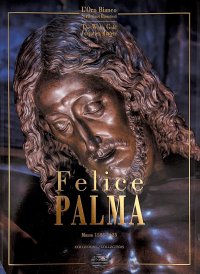
Felice Palma. Massa 1583-1625. Collezione / Collection.
Texts by Claudio Casini, Andrei Cristina, Ciarlo Nicola, Federici Fabrizio and Sara Ragni.
Italian and English Text.
Pontedera, 2024; bound in a case, pp. 289, b/w and col. ill., b/w and col. plates, cm 24,5x34.
(L'Oro Bianco. Straordinari Dimenticati. The White Gold Forgotten Masters).
cover price: € 160.00
|
Books included in the offer:
Felice Palma. Massa 1583-1625. Collezione / Collection.
Texts by Claudio Casini, Andrei Cristina, Ciarlo Nicola, Federici Fabrizio and Sara Ragni.
Italian and English Text.
Pontedera, 2024; bound in a case, pp. 289, b/w and col. ill., b/w and col. plates, cm 24,5x34.
(L'Oro Bianco. Straordinari Dimenticati. The White Gold Forgotten Masters).
FREE (cover price: € 160.00)
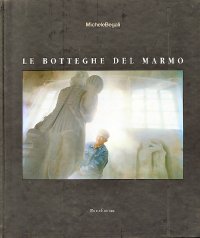
Le botteghe del marmo
Italian and English Text.
Ospedaletto, 1992; bound, pp. 153, 10 b/w ill., 60 col. ill., cm 24x29.
(Immagine).
FREE (cover price: € 34.49)
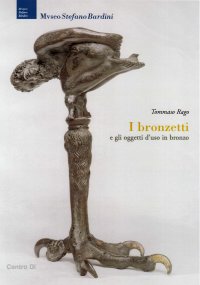
Museo Stefano Bardini. I Bronzetti e gli Oggetti d'Uso in Bronzo
Edited by Nesi A.
Firenze, 2009; paperback, pp. 191, 102 b/w ill., 7 col. ill., cm 17x24,5.
(Museo Stefano Bardini).
FREE (cover price: € 30.00)
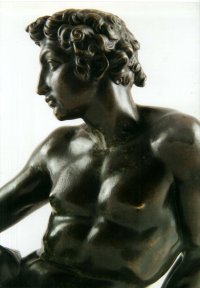
Bronzetti e Rilievi dal XV al XVIII Secolo
Bologna, 2015; 2 vols., bound in a case, pp. 729, ill., col. plates, cm 21,5x30,5.
FREE (cover price: € 90.00)
Three burials (ibycus, stesichorus, simonides)
Barbantani Silvia
Edizioni dell'Orso
Alessandria, 2010; paperback, pp. 128, cm 17x24.
(Hellenica. 38).
series: Hellenica
ISBN: 88-6274-260-6 - EAN13: 9788862742603
Period: 0-1000 (0-XI) Ancient World,1000-1400 (XII-XIV) Middle Ages
Languages: 
Weight: 0.33 kg
Although included in the canon of the Nine Lyric Poets (AP 9.184 and AP 9.571), and frequently quoted and praised in the scholastic and rhetorical environment, these three authors did not enjoy the same popularity as their 'colleagues' Anacreon, Sappho and Pindar as 'stock characters' celebrated in epigram. For some reason epigrammatists found inspiration mainly in their death or burials, often linked to mysterious or peculiar circumstances that now defy interpretation: Ibycus' violent death and 'miraculous' vengeance by a flock of cranes, an episode which finds an echo in a Pythagorean tale and which later passed into the realm of proverb, inspiring a dramatic ballad by Schiller; Stesichorus' complex mausoleum, a peculiar Hellenistic creation probably influenced by Pythagorean symbolism, which left traces in a motto (Panta okto) and in the traditions of medieval and modern Catania; the violation of Simonides' grave and its punishment (also related to a proverb, "Do not move Camarina"), described by the poet himself in a Callimachean aition which, until the first half of the twentieth century, was believed to be an epigram. After Late Antiquity, the memory of these lyric poets survived for centuries preserved in anecdotal tales, random quotations and a few epigrams, even when their poems, bodies and monumental graves had been destroyed by time and human impiety. Buried in papyri and in the manuscripts of epigrammatic anthologies, Ibycus, Stesichorus and Simonides would need a few more centuries to rise again from their grave as wise men and lyric poets.

Pietro Bellotti Detto Canaletty. Un Vedutista Veneziano nella Francia dell'Ancien Régime

H-BI(M)ON. Heritage. Building Information Modelling/MONitoring. Dalla realtà al modello e ritorno
Conte e Mattarella. Sul palcoscenico e dietro le quinte del Quirinale. Un racconto sulle istituzioni
