






 LATEST ART BOOKS
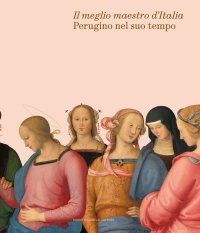
Perugino e il Suo Tempo. "Il Meglio Maestro d'Italia"
Perugia, Galleria Nazionale dell'Umbria, March 4 - June 11, 2023.
Edited by Picchiarelli V. and Pierini M.
Milano, 2023; bound, pp. 592, 650 col. ill., cm 24x21.
cover price: € 40.00
|
Books included in the offer:
Perugino e il Suo Tempo. "Il Meglio Maestro d'Italia"
Perugia, Galleria Nazionale dell'Umbria, March 4 - June 11, 2023.
Edited by Picchiarelli V. and Pierini M.
Milano, 2023; bound, pp. 592, 650 col. ill., cm 24x21.
FREE (cover price: € 40.00)
Michele Rocca e la pittura rococo a Roma
Brescia, 2004; bound in a case, pp. 310, b/w and col. ill., tavv., cm 24,5x31,5.
FREE (cover price: € 180.00)
Cucinare per gli amici
Translation by S. Mancuso.
Milano, 2012; clothbound, pp. 269, ill., cm 21x26,5.
(Gli Illustrati).
FREE (cover price: € 29.90)
Authority in Byzantium
Armstrong Pamela (ed)
Ashgate Publishing Limited
Aldershot, 2018; hardback, pp. 360, ill., cm 17x24.
ISBN: 1-4094-3608-X - EAN13: 9781409436089
Subject: Essays (Art or Architecture)
Period: 1000-1400 (XII-XIV) Middle Ages
Languages: 
Weight: 0.93 kg
The contributions are divided into nine sections focusing on different aspects of authority: the imperial authority of the state, how it was transmitted from the top down, from Constantinople to provincial towns, how it dealt with marginal legal issues or good medical practice; authority in the market place, whether directly concerning over-the-counter issues such as coinage, weights and measures, or the wider concerns of the activities of foreign traders; authority in the church, such as the extent to which ecclesiastical authority was inherent, or how constructs of religious authority ordered family life; the authority of knowledge revealed through imperial patronage or divine wisdom; the authority of text, though its conformity with ancient traditions, through the Holy scriptures and through the authenticity of history; exhibiting authority through images of the emperor or the Divine. The final section draws on personal experience of three great 'authorities' within Byzantine Studies: Ostrogorsky, Beck and Browning.

Pietro Bellotti Detto Canaletty. Un Vedutista Veneziano nella Francia dell'Ancien Régime
Il poliedrico SID in B/N. Nella pittura, nella scultura, nella grafica e nella street art
Building in Africa. Cape to Cairo in 150 days: experiences of an engineer

Gigante 2027. Catalogo nazionale delle monete italiane dal '700 alla fine della lira
Il libro della magia cerimoniale. La tradizione segreta nella Goetia
Conte e Mattarella. Sul palcoscenico e dietro le quinte del Quirinale. Un racconto sulle istituzioni
