






 LATEST ART BOOKS
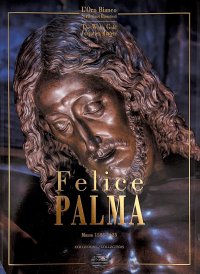
Felice Palma. Massa 1583-1625. Collezione / Collection.
Texts by Claudio Casini, Andrei Cristina, Ciarlo Nicola, Federici Fabrizio and Sara Ragni.
Italian and English Text.
Pontedera, 2024; bound in a case, pp. 289, b/w and col. ill., b/w and col. plates, cm 24,5x34.
(L'Oro Bianco. Straordinari Dimenticati. The White Gold Forgotten Masters).
cover price: € 160.00
|
Books included in the offer:
Felice Palma. Massa 1583-1625. Collezione / Collection.
Texts by Claudio Casini, Andrei Cristina, Ciarlo Nicola, Federici Fabrizio and Sara Ragni.
Italian and English Text.
Pontedera, 2024; bound in a case, pp. 289, b/w and col. ill., b/w and col. plates, cm 24,5x34.
(L'Oro Bianco. Straordinari Dimenticati. The White Gold Forgotten Masters).
FREE (cover price: € 160.00)
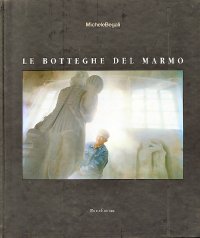
Le botteghe del marmo
Italian and English Text.
Ospedaletto, 1992; bound, pp. 153, 10 b/w ill., 60 col. ill., cm 24x29.
(Immagine).
FREE (cover price: € 34.49)
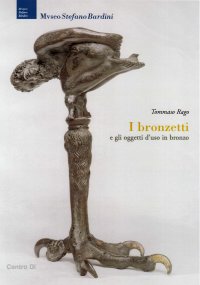
Museo Stefano Bardini. I Bronzetti e gli Oggetti d'Uso in Bronzo
Edited by Nesi A.
Firenze, 2009; paperback, pp. 191, 102 b/w ill., 7 col. ill., cm 17x24,5.
(Museo Stefano Bardini).
FREE (cover price: € 30.00)
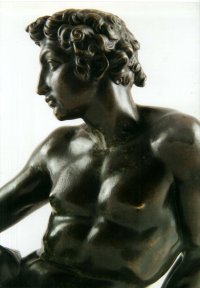
Bronzetti e Rilievi dal XV al XVIII Secolo
Bologna, 2015; 2 vols., bound in a case, pp. 729, ill., col. plates, cm 21,5x30,5.
FREE (cover price: € 90.00)
Il mausoleo Trivulzio Bramantino e Leonardo
Apollonio Dario
CB Edizioni
Presentazioni di Bruno Adorni e di Carlo Pedretti.
Foligno; paperback, pp. 176, col. ill., cm 24x30.
ISBN: 88-95158-03-2 - EAN13: 9788895158037
Subject: History of Architecture,Masterpiece,Travel's Culture
Period: 1400-1800 (XV-XVIII) Renaissance
Places: Lombardy
Languages: 
Weight: 1.01 kg
Leonardo seems to hesitate between a tomb surmounted by the equestrian statue of the Great Trivulzio, and an authentic building. The chapel as we can see it today, placed unusually as a narthex at the entrance of the basilica, was probably begun in 1511 (at the most at the beginning of 1512) after a project of Bramantino. Soon the works were interrupted for the Sforza's return and the consequent exile of Trivulzio. The yard of the factory went on after the victory of the French army commanded by Trivulzio at Marignano in 1515 and therefore under his direct control; the marshal died in France on 5 December 1518 in misfortune within the French court. His remains arrived to Milan in Saint Eustorgio on 11 January 1519, whence they were translated into Saint Nazzaro with the greatest pump. The construction of the chapel was attended by Bramantino until 1521, when the heir of the Marshal, his grandson Gian Francesco, was imprisoned by the coalition troops entering in Milan.
The same grandson vowed on 20 January 1547 to carry out the testament of the widow of the marshal, Beatrice d' Avalos, that had left the funds to finish the work. Person in charge for the completion of the work was Cristoforo Lombardo that finished the cupola and the lantern by September of that year and, as a sculptor, made the four lacking sarcophagi. On demand of Carlo Borromeo, the coffins with the bodies were removed from the sarcophagi and were placed in the crypt, the four altars in the semicircular chapels were removed and two lateral doors were opened. The structure presents still today many uncertainties, the most frequent question, still not determined, is about the relationship between the project of Bramante and that of Leonardo.


Out of Catalog
