






 NOVITA' ARTE
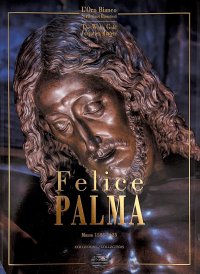
Felice Palma. Massa 1583-1625. Collezione / Collection.
Testi di Claudio Casini, Andrei Cristina, Ciarlo Nicola, Federici Fabrizio e Sara Ragni.
Testo Italiano e Inglese.
Pontedera, 2024; ril. in cofanetto, pp. 289, ill. b/n e col., tavv. b/n e col., cm 24,5x34.
(L'Oro Bianco. Straordinari Dimenticati. The White Gold Forgotten Masters).
prezzo di copertina: € 160.00
|
Libri compresi nell'offerta:
Felice Palma. Massa 1583-1625. Collezione / Collection.
Testi di Claudio Casini, Andrei Cristina, Ciarlo Nicola, Federici Fabrizio e Sara Ragni.
Testo Italiano e Inglese.
Pontedera, 2024; ril. in cofanetto, pp. 289, ill. b/n e col., tavv. b/n e col., cm 24,5x34.
(L'Oro Bianco. Straordinari Dimenticati. The White Gold Forgotten Masters).
OMAGGIO (prezzo di copertina: € 160.00)
Le botteghe del marmo
Testo Italiano e Inglese.
Ospedaletto, 1992; ril., pp. 153, 10 ill. b/n, 60 ill. col., cm 24x29.
(Immagine).
OMAGGIO (prezzo di copertina: € 34.49)
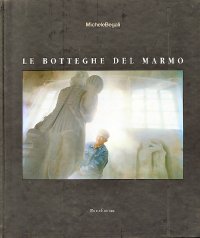
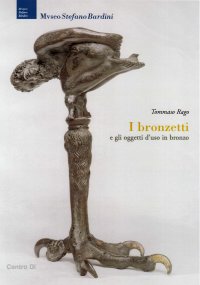
Museo Stefano Bardini. I Bronzetti e gli Oggetti d'Uso in Bronzo
A cura di Nesi A.
Firenze, 2009; br., pp. 191, 102 ill. b/n, 7 ill. col., cm 17x24,5.
(Museo Stefano Bardini).
OMAGGIO (prezzo di copertina: € 30.00)
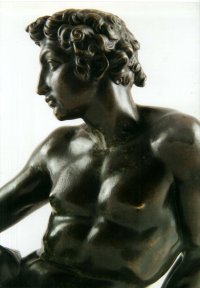
Bronzetti e Rilievi dal XV al XVIII Secolo
Bologna, 2015; 2 voll., ril. in cofanetto, pp. 729, ill., tavv. col., cm 21,5x30,5.
OMAGGIO (prezzo di copertina: € 90.00)
The Architecture of Tokyo
Hiroshi Watanabe - Ulf Meyer
Edition Axel Menges GMBH
Revised and extended edition.
Testo Inglese.
Fellbach, 2026; br., pp. 300, 400 ill. col., cm 16,5x22.
ISBN: 3-86905-058-6 - EAN13: 9783869050584
Soggetto: Architettura e Arte Civile,Urbanistica e Viabilità
Periodo: 1960- Contemporaneo
Testo in: 
Peso: 0 kg
Over 500 buildings are presented in this guide, from 15th-cen tury Buddhist temples to 21st-century cultural buildings, from ven erable folkhouses to worksby leading contemporary architects of Japan such as Kenzô Tange, Fumihiko Maki, Arata Isozaki, Hiroshi Hara, Toyô Itô, Riken Yamamoto and Tadao Ando as well as by foreign architects such as Norman Foster, Peter Eisenman and Steven Holl.
The buildings are arranged chronologically and grouped into six periods: the medieval period (1185-1600), the Edo period (1600-1868), the Meiji period (1868-1912), the Taishô and early Shôwa period (1912-1945), the post-war reconstruction period (1945-1970) and the contemporary period (1970 until today). This comprehensive coverage permits those interested in Japanese architecture or culture to focus on a particular era or to examine buildings within a larger temporal framework. A concise discussion of the history of the region and the architecture of Japan develops a context within which the individual works may be viewed.
When this guide was first published in 2001, it was the only one to introduce in one volume the architecture of the Tôkyô region, encompassing Tôkyô proper and adjacent prefectures, in all its remarkable variety. Having been out of print for some time, it is now being reissued in a revised and extended edition, this time with Japan expert Ulf Meyer as co-author.
Hiroshi Watanabe studied architecture at Princeton University in Princeton and at Yale University in New Haven. He has written ex tensively on contemporary Japanese architecture and on the work of architects from Western countries in Japan. He was the Japan correspondent for Progressive Architecture. Ulf Meyer studied architecture at the Technische Universität Berlin and the Illinois Institute of Technology in Chicago and has since worked as a free lance author and journalist in the field of architecture and urban planning with numerous articles in newspapers, trade journals and books in Germany and abroad.

Pietro Bellotti Detto Canaletty. Un Vedutista Veneziano nella Francia dell'Ancien Régime
Le radici del futuro. L'Europa dei popoli, il rifiuto degli stati nazionali e dei partiti
Luoghi Magici di Bologna. Vol. 1: la Piazza e i Suoi Simboli Segreti
Elementi di tecnologia ceramica. Tra scienza, arte e innovazione

Conte e Mattarella. Sul palcoscenico e dietro le quinte del Quirinale. Un racconto sulle istituzioni
