






 LATEST ART BOOKS
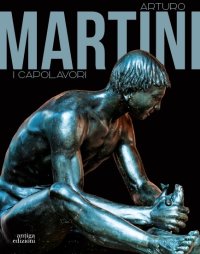
Arturo Martini. I capolavori
Treviso, Museo “luigi Bailo”, March 31 - July 30, 2023.
Edited by Stringa Nico and Fabrizio Malachin.
Cornuda, 2023; paperback, pp. 278, col. ill., cm 23x29.
cover price: € 33.00
|
Books included in the offer:
Arturo Martini. I capolavori
Treviso, Museo “luigi Bailo”, March 31 - July 30, 2023.
Edited by Stringa Nico and Fabrizio Malachin.
Cornuda, 2023; paperback, pp. 278, col. ill., cm 23x29.
FREE (cover price: € 33.00)
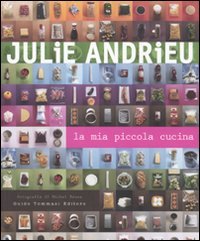
La mia piccola cucina
Illustrations by Soledad.
Translation by Marzano G.
Milano, 2009; paperback, pp. 359, ill., cm 21,5x26,5.
FREE (cover price: € 29.90)
Torte in fiore. Raffinate creazioni floreali in pasta di zucchero
Translation by Destro P. and Tosi L.
Milano, 2014; clothbound, pp. 224, ill., cm 25x29.
(Gli Illustrati).
FREE (cover price: € 35.00)

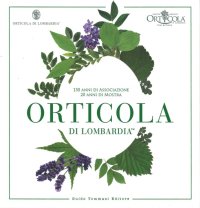
Orticola di Lombardia. 150 anni di associazione, 20 anni di mostra
Edited by Pizzoni F.
Milano, 2016; bound, pp. 279, ill., cm 24,5x24,5.
FREE (cover price: € 35.00)
The line of water. Sara Palmieri
Witty Kiwi Books
English Text.
Torino, 2025; paperback, pp. 168, b/w ill., cm 23x31.
EAN13: 9791280177452
Subject: Photography
Languages: 
Weight: 0 kg
Sara Palmieri, a visual artist working primarily with photography, investigates the material and symbolic potential of images. Her practice extends into sculpture and performance, using experimental processes to explore how territory and personal narratives shape collective memory, questioning the ways in which images construct and deconstruct reality.
Inspired by the Polesine flood of 1951-the most devastating in Italian history-the project considers the territory as an archive of memory, where water, earth, and inherited stories act as living agents of transmission. The image itself becomes a perceptive surface where opposites merge: visible and invisible, past and present, submerged and emerged. The book-object, curated by Fiorenza Pinna, expands this exploration into a spatial, visual, and tactile experience. The material shifts, transparencies, and overlays disrupt the reading flow, mirroring the instability of history and perception. In this interplay between image and matter, the book itself becomes a territory of creation, where memory takes on new forms and new languages emerge from the fractures of the past.


Santa Maria dell'Anima. Dinamiche Sociali e Arte di una Comunità Straniera a Roma tra '400 e '600
