






 LATEST ART BOOKS
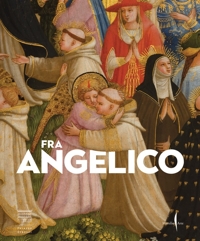
Beato Angelico. Ediz. a colori
Firenze, Palazzo Strozzi, September 26, 2025 - January 25, 2026.
Edited by Carl Brandon Strehlke.
Testi di Stefano Casciu, Marco Mozzo, Angelo Tartuferi.
Venezia, 2025; hardback, pp. 440, 300 col. ill., cm 25,2x29,8.
cover price: € 80.00
|
Books included in the offer:
Beato Angelico. Ediz. a colori
Firenze, Palazzo Strozzi, September 26, 2025 - January 25, 2026.
Edited by Carl Brandon Strehlke.
Testi di Stefano Casciu, Marco Mozzo, Angelo Tartuferi.
Venezia, 2025; hardback, pp. 440, 300 col. ill., cm 25,2x29,8.
FREE (cover price: € 80.00)
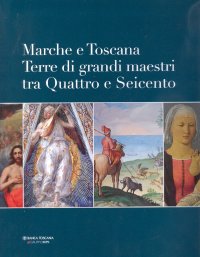
Marche e Toscana. Terre di grandi maestri tra Quattro e Seicento
Ospedaletto, 2007; bound, pp. 320, col. ill., col. plates, cm 25,5x29.
FREE (cover price: € 77.00)
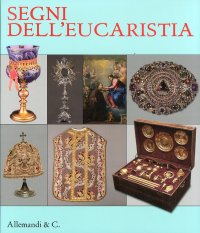
Segni dell'Eucarestia
Edited by M. Luisa Polichetti.
Ancona, Osimo, Loreto Jesi, Senigallia, Fabriano e Metelica, 23 giugno - 31 ottobre 2011.
Torino, 2011; paperback, pp. 221, b/w and col. ill., cm 24x28.
FREE (cover price: € 32.00)
Federico Fellini Toulouse-Lautrec
Skira
Edited by A. Nicosia.
Milano, 2003; paperback, pp. 168, 145 b/w ill., cm 24x28.
(Arte Moderna. Cataloghi).
series: Arte Moderna. Cataloghi
ISBN: 88-8491-758-1 - EAN13: 9788884917584
Subject: Cinema,Essays (Art or Architecture)
Period: 1800-1960 (XIX-XX) Modern Period,1960- Contemporary Period
Places: No Place
Languages: 
Weight: 0.574 kg
Toulouse-Lautrec and Fellini: two great figures in two different cities (Paris and Rome) separated by a period of about seventy years. Paris in the eighteen-eighties was still very much concentrated on the recovery of its image as a capital city, ten years after the defeat at Sedan and the Paris Commune; Fellini's post war Rome needed to forget harsh and painful pages of its history.
The desire to dive headlong into this new return to life gave birth to phenomena which were to some extent comparable, the Belle-Epoque and the Dolce Vita, synonyms for a common wish to wipe out the suffering in an explosion of life that at times culminated in frenzy.
From this we have aggressive images, a taste for excess and a representation of a world in turmoil that characterise some aspects of both artists' work. Not only can we identify some clear relations between the main themes that characterise their artistic production, for example the circus and women, but there are also analogies in the daily behaviour of both artists, in the attentive and meticulous approach they had to their work and the great love they both had for the two cities where they chose to live from an early age and that played a central role in their lives.

Dalle Alpi Giulie al mare. Viaggio nella biodiversità. From the Julian Alps to the Adriatic

Santa Maria dell'Anima. Dinamiche Sociali e Arte di una Comunità Straniera a Roma tra '400 e '600
