






 LATEST ART BOOKS
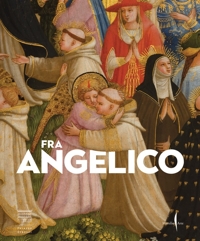
Beato Angelico. Ediz. a colori
Firenze, Palazzo Strozzi, September 26, 2025 - January 25, 2026.
Edited by Carl Brandon Strehlke.
Testi di Stefano Casciu, Marco Mozzo, Angelo Tartuferi.
Venezia, 2025; hardback, pp. 440, 300 col. ill., cm 25,2x29,8.
cover price: € 80.00
|
Books included in the offer:
Beato Angelico. Ediz. a colori
Firenze, Palazzo Strozzi, September 26, 2025 - January 25, 2026.
Edited by Carl Brandon Strehlke.
Testi di Stefano Casciu, Marco Mozzo, Angelo Tartuferi.
Venezia, 2025; hardback, pp. 440, 300 col. ill., cm 25,2x29,8.
FREE (cover price: € 80.00)
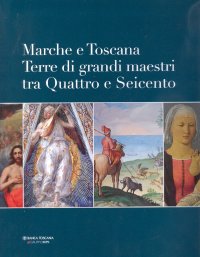
Marche e Toscana. Terre di grandi maestri tra Quattro e Seicento
Ospedaletto, 2007; bound, pp. 320, col. ill., col. plates, cm 25,5x29.
FREE (cover price: € 77.00)
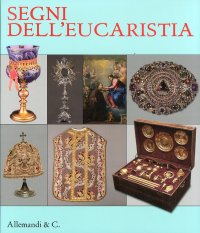
Segni dell'Eucarestia
Edited by M. Luisa Polichetti.
Ancona, Osimo, Loreto Jesi, Senigallia, Fabriano e Metelica, 23 giugno - 31 ottobre 2011.
Torino, 2011; paperback, pp. 221, b/w and col. ill., cm 24x28.
FREE (cover price: € 32.00)
Pisa e il Mediterraneo. Uomini, merci, idee dagli Etruschi ai Medici
Skira
Pisa, Arsenali Medicei, September 13 - December 9, 2003.
Edited by Tangheroni M.
Milano, 2003; paperback, pp. 512, 400 b/w ill., 100 col. ill., cm 24x28.
(Archeologia, Arte Primitiva e Orientale).
series: Archeologia, Arte Primitiva e Orientale
ISBN: 88-8491-520-1 - EAN13: 9788884915207
Subject: Essays (Art or Architecture),Towns
Period: 0-1000 (0-XI) Ancient World,1000-1400 (XII-XIV) Middle Ages,1400-1800 (XV-XVIII) Renaissance
Places: Tuscany
Extra: Etruscan Civilisation
Languages: 
Weight: 2.66 kg
Starting out from this exceptional discovery, this volume gives an evocative account of various aspects of the relationship between Pisa and the Mediterranean over a period of two thousand years, with the objective of restoring awareness to the people of Pisa of the important relationship the city has had with the sea from its very birth and to highlight the advancement of scientific knowledge and developments.
On the whole this volume gives a clear idea of the objective importance of the relationship between Pisa and the Mediterranean which transcends the mere history of the city itself. It is articulated in three principal themes: the circulation of men, goods and culture.
The formulation of the book has tried to answer two needs: to focus on the relationship between Pisa and the Mediterranean, so as to conserve ties with the central theme, yet these issues are located within a more ample reading of the history of the Mediterranean. Thus it is possible to read a synthesis of the relationship between Etruria and the sea, or a survey of the military installations in the ports of the classical and Hellenistic periods, or new considerations on the Mediterranean in modern times.
There are archaeological artefacts, coins, ceramics, documents in paper and parchment, sculptures, drawings, bronzes, painted tables, flags, weapons, anchors, all in accordance with the principal themes of the exposition: the sea and navigation, merchandise for import and export, cultural exchanges and human migration. Some of the artworks have been chosen because of their extraordinary beauty, but their presence is also fully justifiable because of their relation to the themes and the other artefacts.

Dalle Alpi Giulie al mare. Viaggio nella biodiversità. From the Julian Alps to the Adriatic

Santa Maria dell'Anima. Dinamiche Sociali e Arte di una Comunità Straniera a Roma tra '400 e '600
