






 LATEST ART BOOKS
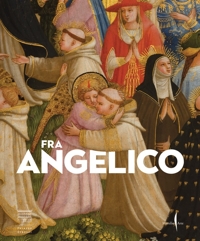
Beato Angelico. Ediz. a colori
Firenze, Palazzo Strozzi, September 26, 2025 - January 25, 2026.
Edited by Carl Brandon Strehlke.
Testi di Stefano Casciu, Marco Mozzo, Angelo Tartuferi.
Venezia, 2025; hardback, pp. 440, 300 col. ill., cm 25,2x29,8.
cover price: € 80.00
|
Books included in the offer:
Beato Angelico. Ediz. a colori
Firenze, Palazzo Strozzi, September 26, 2025 - January 25, 2026.
Edited by Carl Brandon Strehlke.
Testi di Stefano Casciu, Marco Mozzo, Angelo Tartuferi.
Venezia, 2025; hardback, pp. 440, 300 col. ill., cm 25,2x29,8.
FREE (cover price: € 80.00)
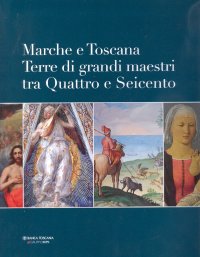
Marche e Toscana. Terre di grandi maestri tra Quattro e Seicento
Ospedaletto, 2007; bound, pp. 320, col. ill., col. plates, cm 25,5x29.
FREE (cover price: € 77.00)
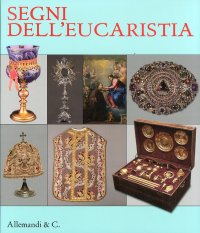
Segni dell'Eucarestia
Edited by M. Luisa Polichetti.
Ancona, Osimo, Loreto Jesi, Senigallia, Fabriano e Metelica, 23 giugno - 31 ottobre 2011.
Torino, 2011; paperback, pp. 221, b/w and col. ill., cm 24x28.
FREE (cover price: € 32.00)
Doina Botez. Il corpo dell'immagine. Opere 1989-2013
Skira
Edited by F. Gualdoni.
Italian and English Text.
Milano, 2014; paperback, pp. 96, 86 col. ill., col. plates, cm 24,5x28.
(Cataloghi).
series: Cataloghi
ISBN: 88-572-1693-4 - EAN13: 9788857216935
Subject: Collections,Essays (Art or Architecture),Monographs (Painting and Drawing),Painting
Period: 1960- Contemporary Period
Languages: 

Weight: 0.625 kg
She had just completed an intense period of graphic art, illustration and scenography. Her relationship with figuration is essential. It implies designing a visual theatre out of tangible experience, it implies so expanding the feeling of existence that, as Socrates recommended, the "motions of the soul" come to the fore. It means sifting and updating the long tradition of the image with a symbolic and allusive value, emphasising its referential surface aspects, coagulating a highly poetic, rather than prosaic, condensation.
Botez's situation differs vastly from the artists of her generation. Art reduced to talk about art, the intellectualistic game whereby contemporary art, infantilised by self-contemplation, has come to conceive itself as a mere self-referential and voided phantasm, a spectacle of images born of a blind narcissistic spell, are genetically alien to her. She cares nothing for the novelty of the means, cultural jokes, fashionable affectation. Painting is painting, unconditionally. What matters is what you do with it, and especially why: Francesco Arcangeli wrote that "art, the work, this piece of canvas or panel, this flat and conventionally rectangular surface is a medium to which everything can still be entrusted: everything you are, you think, you long for". The picture, for her, is a necessary image, a soul-fact to be realised in painting and offered to the beholder's mental and emotional experience with the utmost intensity and directness.

Dalle Alpi Giulie al mare. Viaggio nella biodiversità. From the Julian Alps to the Adriatic

Santa Maria dell'Anima. Dinamiche Sociali e Arte di una Comunità Straniera a Roma tra '400 e '600
