






 LATEST ART BOOKS
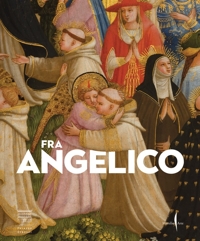
Beato Angelico. Ediz. a colori
Firenze, Palazzo Strozzi, September 26, 2025 - January 25, 2026.
Edited by Carl Brandon Strehlke.
Testi di Stefano Casciu, Marco Mozzo, Angelo Tartuferi.
Venezia, 2025; hardback, pp. 440, 300 col. ill., cm 25,2x29,8.
cover price: € 80.00
|
Books included in the offer:
Beato Angelico. Ediz. a colori
Firenze, Palazzo Strozzi, September 26, 2025 - January 25, 2026.
Edited by Carl Brandon Strehlke.
Testi di Stefano Casciu, Marco Mozzo, Angelo Tartuferi.
Venezia, 2025; hardback, pp. 440, 300 col. ill., cm 25,2x29,8.
FREE (cover price: € 80.00)
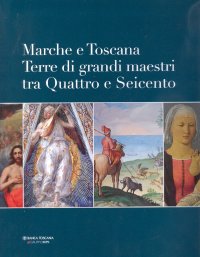
Marche e Toscana. Terre di grandi maestri tra Quattro e Seicento
Ospedaletto, 2007; bound, pp. 320, col. ill., col. plates, cm 25,5x29.
FREE (cover price: € 77.00)
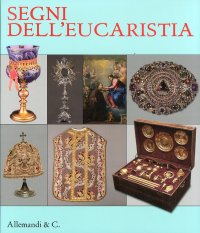
Segni dell'Eucarestia
Edited by M. Luisa Polichetti.
Ancona, Osimo, Loreto Jesi, Senigallia, Fabriano e Metelica, 23 giugno - 31 ottobre 2011.
Torino, 2011; paperback, pp. 221, b/w and col. ill., cm 24x28.
FREE (cover price: € 32.00)
Petrit Halilaj. An Opera Out of Time
Silvana Editoriale
Berlin, Hamburger Bahnhof, September 11, 2025 - May 31, 2026.
Edited by Sam Bardaouil & Till Fellrath.
English and German Text.
Cinisello Balsamo, 2099; paperback, pp. 120, 39 col. ill., cm 17x24.
ISBN: 88-366-6075-4 - EAN13: 9788836660759
Subject: Monographs (Painting and Drawing),Monographs (Sculpture and Decorative Arts)
Period: 1960- Contemporary Period
Languages: 

Weight: 0 kg
At the heart of the exhibition is the artist's first opera, which explores the potential of collective dreaming to bring forth emancipatory worlds. The Berlin-based artist Petrit Halilaj creates complex works that provide space for freedom, longing, intimacy and identity. His art is deeply connected to the history of his home country, Kosovo, and the cultural and political tensions in the region.
This is the fourteenth in a series of publications accompanying solo exhibitions of contemporary artists at Hamburger Bahnhof - Nationalgalerie der Gegenwart. In addition to exhibition views and images of artworks, it comprises a curatorial introduction by Catherine Nichols, an extensive interview by Amy Zion with Petrit Halilaj as well as an essay by Lura Limani

Gli occhi dell'arte. Scritti, studi e opere in onore di Ferdinando Peretti. Ediz. italiana e inglese

Guerra e resistenza. Tra fame, razionamenti e borsa nera: l'incognita costante del mangiare
Giovanni Bernardo Carbone 1616-1683. Un ritrattista «alla moda» nella Genova di metà Seicento
Museo della Ceramica Contemporanea Mediterranea di Cava de' Tirreni. Ediz. a colori
Conte e Mattarella. Sul palcoscenico e dietro le quinte del Quirinale. Un racconto sulle istituzioni
