






 LATEST ART BOOKS
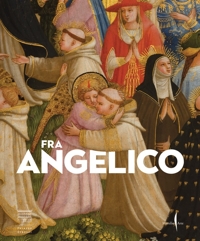
Beato Angelico. Ediz. a colori
Firenze, Palazzo Strozzi, September 26, 2025 - January 25, 2026.
Edited by Carl Brandon Strehlke.
Testi di Stefano Casciu, Marco Mozzo, Angelo Tartuferi.
Venezia, 2025; hardback, pp. 440, 300 col. ill., cm 25,2x29,8.
cover price: € 80.00
|
Books included in the offer:
Beato Angelico. Ediz. a colori
Firenze, Palazzo Strozzi, September 26, 2025 - January 25, 2026.
Edited by Carl Brandon Strehlke.
Testi di Stefano Casciu, Marco Mozzo, Angelo Tartuferi.
Venezia, 2025; hardback, pp. 440, 300 col. ill., cm 25,2x29,8.
FREE (cover price: € 80.00)
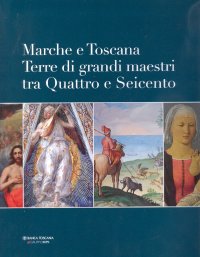
Marche e Toscana. Terre di grandi maestri tra Quattro e Seicento
Ospedaletto, 2007; bound, pp. 320, col. ill., col. plates, cm 25,5x29.
FREE (cover price: € 77.00)
Segni dell'Eucarestia
Edited by M. Luisa Polichetti.
Ancona, Osimo, Loreto Jesi, Senigallia, Fabriano e Metelica, 23 giugno - 31 ottobre 2011.
Torino, 2011; paperback, pp. 221, b/w and col. ill., cm 24x28.
FREE (cover price: € 32.00)

Federico Garolla. Fotografie. Photographs 1948-1968
Silvana Editoriale
Edited by Garolla I.
Italian and English Text.
Cinisello Balsamo, 2024; bound, pp. 288, 230 col. ill., cm 20x25.
ISBN: 88-366-5942-X - EAN13: 9788836659425
Subject: Photography
Period: 1800-1960 (XIX-XX) Modern Period,1960- Contemporary Period
Languages: 

Weight: 1.288 kg
He belonged to a new generation of photojournalists who knew how to combine elegance and discretion to portray the world of entertainment and communication, as well as the socio-cultural life of their age. Their work provides a picture of a nation, the Italian people, in need of rediscovering its identity as it set about rebuilding the country through a combination of optimism and economic growth. With his unmistakable style, Garolla captured this transformation in all its modernity and also its deep contradictions. He provided an overview of the salient events of the day, taking a sensitive and also attentive look at social realities and contexts. His photographs reflected the liveliness and complexity of post-World War II Italian society, contributing to the image of Italy as it underwent rapid change, ready to embrace its dynamic, bourgeois future.
Garolla witnessed the rise the great fashion houses in Rome, actually becoming a key player in their success as he turned photo shoots into photo reports embedded in everyday life. An elegant narrator, influenced by masters like Cartier-Bresson, he moved beyond mere visual documentation to capture the very essence and spirit of a constantly changing era

Dalle Alpi Giulie al mare. Viaggio nella biodiversità. From the Julian Alps to the Adriatic

Santa Maria dell'Anima. Dinamiche Sociali e Arte di una Comunità Straniera a Roma tra '400 e '600
