




 LATEST ART BOOKS
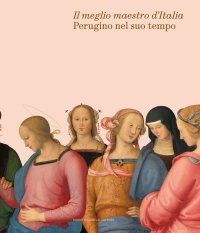
Perugino e il Suo Tempo. "Il Meglio Maestro d'Italia"
Perugia, Galleria Nazionale dell'Umbria, March 4 - June 11, 2023.
Edited by Picchiarelli V. and Pierini M.
Milano, 2023; bound, pp. 592, 650 col. ill., cm 24x21.
cover price: € 40.00
|
Books included in the offer:
Perugino e il Suo Tempo. "Il Meglio Maestro d'Italia"
Perugia, Galleria Nazionale dell'Umbria, March 4 - June 11, 2023.
Edited by Picchiarelli V. and Pierini M.
Milano, 2023; bound, pp. 592, 650 col. ill., cm 24x21.
FREE (cover price: € 40.00)
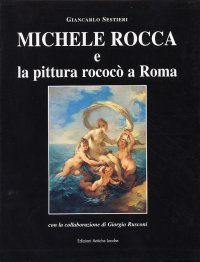
Michele Rocca e la pittura rococo a Roma
Brescia, 2004; bound in a case, pp. 310, b/w and col. ill., tavv., cm 24,5x31,5.
FREE (cover price: € 180.00)
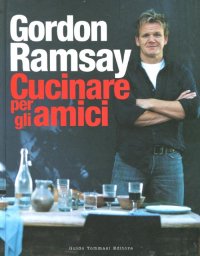
Cucinare per gli amici
Translation by S. Mancuso.
Milano, 2012; clothbound, pp. 269, ill., cm 21x26,5.
(Gli Illustrati).
FREE (cover price: € 29.90)
Dia Al-Azzawi. A Retrospective (from 1963 until tomorrow)
Silvana Editoriale
Edited by David C.
English Text.
Cinisello Balsamo, 2018; paperback, pp. 496, 400 col. ill., cm 22x27.
(Arte Contemporanea).
series: Arte Contemporanea
ISBN: 88-366-3905-4 - EAN13: 9788836639052
Subject: Essays (Art or Architecture),Monographs (Painting and Drawing),Monographs (Sculpture and Decorative Arts),Painting,Sculpture
Period: 1960- Contemporary Period
Languages: 
Weight: 2.36 kg
The last quarter of the twentieth century and the works of the next generation of artists that developed, especially in the era of the international embargo against Iraq and the US-UK war of 2003 and its aftermath, were heavily influenced by al-Azzawi's work, and his persistent references to the Mesopotamian past. In these works, and in his practices, this past had a tenacious continuity that he saw as part of the Iraqi present, co-existing with it rather than merely quoted and referenced within a separate modern world of art.
In al-Azzawi's recent work, the utilisation of the past becomes a strong political statement against war and occupation, against the destruction of his ancient land.