






 LATEST ART BOOKS

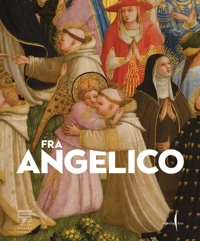
Beato Angelico
Firenze, Palazzo Strozzi, September 26, 2025 - January 25, 2026.
Edited by Carl Brandon Strehlke.
Testi di Stefano Casciu, Marco Mozzo, Angelo Tartuferi.
Venezia, 2025; hardback, pp. 440, 300 col. ill., cm 25,2x29,8.
cover price: € 80.00
|
Books included in the offer:
Beato Angelico
Firenze, Palazzo Strozzi, September 26, 2025 - January 25, 2026.
Edited by Carl Brandon Strehlke.
Testi di Stefano Casciu, Marco Mozzo, Angelo Tartuferi.
Venezia, 2025; hardback, pp. 440, 300 col. ill., cm 25,2x29,8.
FREE (cover price: € 80.00)
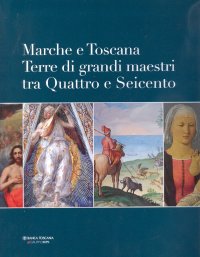
Marche e Toscana. Terre di grandi maestri tra Quattro e Seicento
Ospedaletto, 2007; bound, pp. 320, col. ill., col. plates, cm 25,5x29.
FREE (cover price: € 77.00)
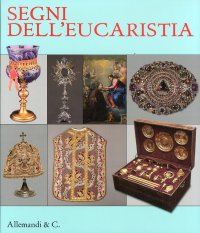
Segni dell'Eucarestia
Edited by M. Luisa Polichetti.
Ancona, Osimo, Loreto Jesi, Senigallia, Fabriano e Metelica, 23 giugno - 31 ottobre 2011.
Torino, 2011; paperback, pp. 221, b/w and col. ill., cm 24x28.
FREE (cover price: € 32.00)
Kristof Kintera. Post-Naturalia
Silvana Editoriale
Reggio Emilia, Collezione Maramotti, March 19 - July 30, 2017.
Texts by Douglas Kahn and Milo Vojtechovský.
Italian and English Text.
Cinisello Balsamo, 2017; paperback in a case, pp. 174, 200 col. ill., tavv., cm 17,5x23,5.
(Arte. 2).
ISBN: 88-366-3615-2 - EAN13: 9788836636150
Subject: Essays (Art or Architecture),Monographs (Painting and Drawing)
Period: 1960- Contemporary Period
Languages: 

Weight: 0.9 kg
Its title speaks for itself: the scenario in which our daily experience is inscribed both as individuals and as a community does not belong to the natural world any longer.
Kintera finds his way through the topic of "post-natural" with vivid visual suggestions which he leads with ironic, playful but also bitter spirit within the framework of a complex social and political questioning of our time, moved by the hope of raising awareness on an issue of great relevance today.
The artist's book is composed of two sections: Herbarium and Cuprum Factum. Through analogy, the first one strikes a dialogue with the new creations of synthetic beauty with historical drawings or etchings, or pages of herbariums with illustrations of plants, many drawn from the naturalistic Collections of the Civic Museums; the second collects texts and images describing the creative process of the works in the studio and those on display in the exhibition.

Dalle Alpi Giulie al mare. Viaggio nella biodiversità. From the Julian Alps to the Adriatic

Santa Maria dell'Anima. Dinamiche Sociali e Arte di una Comunità Straniera a Roma tra '400 e '600
