




 LATEST ART BOOKS
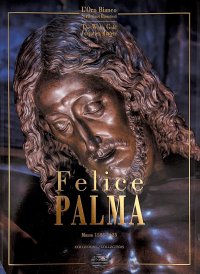
Felice Palma. Massa 1583-1625. Collezione / Collection.
Texts by Claudio Casini, Andrei Cristina, Ciarlo Nicola, Federici Fabrizio and Sara Ragni.
Italian and English Text.
Pontedera, 2024; bound in a case, pp. 289, b/w and col. ill., b/w and col. plates, cm 24,5x34.
(L'Oro Bianco. Straordinari Dimenticati. The White Gold Forgotten Masters).
cover price: € 160.00
|
Books included in the offer:
Felice Palma. Massa 1583-1625. Collezione / Collection.
Texts by Claudio Casini, Andrei Cristina, Ciarlo Nicola, Federici Fabrizio and Sara Ragni.
Italian and English Text.
Pontedera, 2024; bound in a case, pp. 289, b/w and col. ill., b/w and col. plates, cm 24,5x34.
(L'Oro Bianco. Straordinari Dimenticati. The White Gold Forgotten Masters).
FREE (cover price: € 160.00)
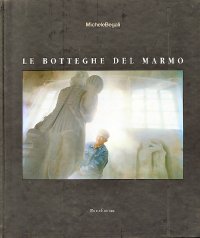
Le botteghe del marmo
Italian and English Text.
Ospedaletto, 1992; bound, pp. 153, 10 b/w ill., 60 col. ill., cm 24x29.
(Immagine).
FREE (cover price: € 34.49)
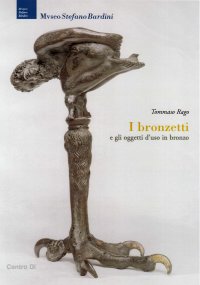
Museo Stefano Bardini. I Bronzetti e gli Oggetti d'Uso in Bronzo
Edited by Nesi A.
Firenze, 2009; paperback, pp. 191, 102 b/w ill., 7 col. ill., cm 17x24,5.
(Museo Stefano Bardini).
FREE (cover price: € 30.00)
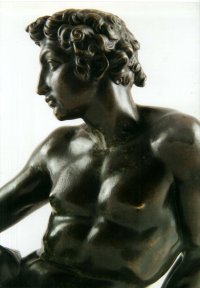
Bronzetti e Rilievi dal XV al XVIII Secolo
Bologna, 2015; 2 vols., bound in a case, pp. 729, ill., col. plates, cm 21,5x30,5.
FREE (cover price: € 90.00)
Architettura Invisibile. Movimenti degli Architetti Italiani e Giapponesi degli Anni '60 e '70 e Dibattito Contemporaneo. Invisibile Architecture. Italian and Japanese Architectural Movements in the 1960s and 1970s and Contemporary Debate
Silvana Editoriale
Roma, Museo Carlo Bilotti, January 19 - June 26, 2017.
Edited by Adamo R. E., Lippa C. and Scaroni F.
Italian and English Text.
Cinisello Balsamo, 2017; paperback, pp. 248, 110 col. ill., cm 24x28.
(Architettura).
series: Architettura
ISBN: 88-366-3605-5 - EAN13: 9788836636051
Subject: Civil Architecture/Art,Design,Essays (Art or Architecture),Urbanism
Period: 1960- Contemporary Period
Places: Italy,Out of Europe
Extra: Oriental Art and Culture
Languages: 

Weight: 1.255 kg
150 years have passed since the two countries started their relationships and just more than 50 since they were among the leaders of what has been the last global avant-garde movement in architecture with the Japanese Metabolists and the Italian Radicals. 50 years ago the two countries were in full demographic, economic and cultural expansion, and those avant-gardes well-represented the vibrant seeds of their architectural proposals. In a curious parallel, 50 years after Italy and Japan live similar cultural and economic conditions and a new generation of architects deals with the timeless themes of living and design.
This volume and the eponymous exhibition present a new and innovative parallel between the two countries, two generations, two ways of making architecture and to look into the future.