






 LATEST ART BOOKS
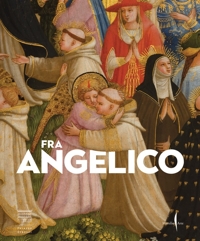
Beato Angelico. Ediz. a colori
Firenze, Palazzo Strozzi, September 26, 2025 - January 25, 2026.
Edited by Carl Brandon Strehlke.
Testi di Stefano Casciu, Marco Mozzo, Angelo Tartuferi.
Venezia, 2025; hardback, pp. 440, 300 col. ill., cm 25,2x29,8.
cover price: € 80.00
|
Books included in the offer:
Beato Angelico. Ediz. a colori
Firenze, Palazzo Strozzi, September 26, 2025 - January 25, 2026.
Edited by Carl Brandon Strehlke.
Testi di Stefano Casciu, Marco Mozzo, Angelo Tartuferi.
Venezia, 2025; hardback, pp. 440, 300 col. ill., cm 25,2x29,8.
FREE (cover price: € 80.00)
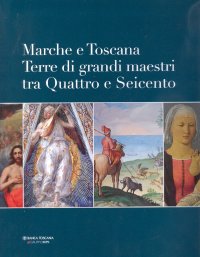
Marche e Toscana. Terre di grandi maestri tra Quattro e Seicento
Ospedaletto, 2007; bound, pp. 320, col. ill., col. plates, cm 25,5x29.
FREE (cover price: € 77.00)
Segni dell'Eucarestia
Edited by M. Luisa Polichetti.
Ancona, Osimo, Loreto Jesi, Senigallia, Fabriano e Metelica, 23 giugno - 31 ottobre 2011.
Torino, 2011; paperback, pp. 221, b/w and col. ill., cm 24x28.
FREE (cover price: € 32.00)

MJ Manifesta Journal 10. The curator as producer
Silvana Editoriale
Edited by Feierabend V. W.
English Text.
Cinisello Balsamo, 2010; paperback, pp. 128, b/w and col. ill., cm 17x24.
(Fondazione VAF).
series: Fondazione VAF
ISBN: 88-366-1825-1 - EAN13: 9788836618255
Subject: Essays (Art or Architecture),Monographs (Painting and Drawing),Monographs (Sculpture and Decorative Arts),Painting,Sculpture
Period: 1800-1960 (XIX-XX) Modern Period,1960- Contemporary Period
Languages: 
Weight: 0.65 kg
Assuming that the activity of the curator is located within a social context, and that social interactions are determined by relationships of production, MJ #10 emphasizes the authorial role of curators in order to analyze their potential to engage with functional transformations, using their creations to change the models that define social relations.
MJ #10 inquires into the different ways in which curators can be producers, expressing their ideas through their practices.
Moreover, it seeks to question how such a role affects the definition of the profession and discipline, and how the curator, forced to operate within the framework of the culture industry and negotiate elements such as entertainment, distraction, and mass consumption, can withstand these external conditions and invent strategies of resistance and critique within the format of the exhibition.

Dalle Alpi Giulie al mare. Viaggio nella biodiversità. From the Julian Alps to the Adriatic

Santa Maria dell'Anima. Dinamiche Sociali e Arte di una Comunità Straniera a Roma tra '400 e '600
