




 LATEST ART BOOKS
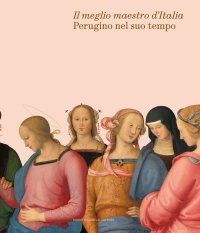
Perugino e il Suo Tempo. "Il Meglio Maestro d'Italia"
Perugia, Galleria Nazionale dell'Umbria, March 4 - June 11, 2023.
Edited by Picchiarelli V. and Pierini M.
Milano, 2023; bound, pp. 592, 650 col. ill., cm 24x21.
cover price: € 40.00
|
Books included in the offer:
Perugino e il Suo Tempo. "Il Meglio Maestro d'Italia"
Perugia, Galleria Nazionale dell'Umbria, March 4 - June 11, 2023.
Edited by Picchiarelli V. and Pierini M.
Milano, 2023; bound, pp. 592, 650 col. ill., cm 24x21.
FREE (cover price: € 40.00)
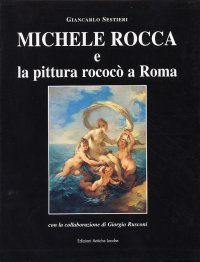
Michele Rocca e la pittura rococo a Roma
Brescia, 2004; bound in a case, pp. 310, b/w and col. ill., tavv., cm 24,5x31,5.
FREE (cover price: € 180.00)
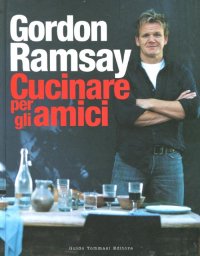
Cucinare per gli amici
Translation by S. Mancuso.
Milano, 2012; clothbound, pp. 269, ill., cm 21x26,5.
(Gli Illustrati).
FREE (cover price: € 29.90)
The Pisa Griffin and the Mari-Cha Lion. Metalwork, Art and Technology in the Medieval Islamicate Mediterranean.
Pacini Editore
Edited by Contadini Anna.
English Text.
Ospedaletto, 2018; bound, pp. 544, 300 b/w and col. ill., cm 24x28.
(Arte).
series: Arte
ISBN: 88-6995-306-8 - EAN13: 9788869953064
Subject: Essays (Art or Architecture),Metal Working,Sculpture
Period: 0-1000 (0-XI) Ancient World,1000-1400 (XII-XIV) Middle Ages
Extra: Bizantyn Art,Oriental Art and Culture
Languages: 
Weight: 2.71 kg
Through scientific, historical and art historical analyses it investigates the many issues that surround them, including fundamental questions of location and period, purpose and patronage, their transcultural meanings, and their agency as the function of each has mutated.
By bringing related pieces into the discussion, this study seeks to change our understanding of medieval art and metal production in the Western Mediterranean and to highlight the significance of metalworking in Spain and South Italy. It shows how the relationship between these areas and the rest of the Mediterranean was marked by active exchanges of goods and artistic ideas during the period just prior to the development of the better-known Shirazi, Ayyubid and Mamluk inlaid metalwork.