






 LATEST ART BOOKS
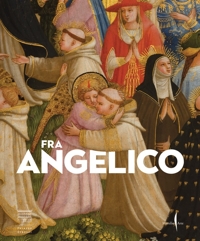
Beato Angelico
Firenze, Palazzo Strozzi, September 26, 2025 - January 25, 2026.
Edited by Carl Brandon Strehlke.
Testi di Stefano Casciu, Marco Mozzo, Angelo Tartuferi.
Venezia, 2025; hardback, pp. 440, 300 col. ill., cm 25,2x29,8.
cover price: € 80.00
|
Books included in the offer:
Beato Angelico
Firenze, Palazzo Strozzi, September 26, 2025 - January 25, 2026.
Edited by Carl Brandon Strehlke.
Testi di Stefano Casciu, Marco Mozzo, Angelo Tartuferi.
Venezia, 2025; hardback, pp. 440, 300 col. ill., cm 25,2x29,8.
FREE (cover price: € 80.00)
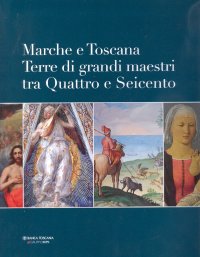
Marche e Toscana. Terre di grandi maestri tra Quattro e Seicento
Ospedaletto, 2007; bound, pp. 320, col. ill., col. plates, cm 25,5x29.
FREE (cover price: € 77.00)
Segni dell'Eucarestia
Edited by M. Luisa Polichetti.
Ancona, Osimo, Loreto Jesi, Senigallia, Fabriano e Metelica, 23 giugno - 31 ottobre 2011.
Torino, 2011; paperback, pp. 221, b/w and col. ill., cm 24x28.
FREE (cover price: € 32.00)

Winter. Poetics & politics
Mousse Publishing
English and Russian Text.
Milano, 2013; paperback, pp. 428, b/w ill., cm 14x21.
ISBN: 88-6749-089-3 - EAN13: 9788867490899
Subject: Collections,Essays (Art or Architecture),Photography
Period: 1960- Contemporary Period
Languages: 

Weight: 1.01 kg
However, Winter also embodies a potentially transformational character, as winter precedes spring and the snow gives place to a full blossoming; a frozen public dialogue may be replaced by a more participatory one. We believe that art is still able to serve as a catalyst for creating a genuine public debate, to end the state of hibernation and, in short, to open doors for the arrival of spring. A spring that has not yet come to Central Asia.
Featuring essays on the geopolitics of energy, post-Soviet political narratives, art-historical analyses and the political economy of contemporary art in a time of social crisis, the book gives a snapshot of the aesthetic, political and poetic dimensions of the situation in the region.

Dalle Alpi Giulie al mare. Viaggio nella biodiversità. From the Julian Alps to the Adriatic

Santa Maria dell'Anima. Dinamiche Sociali e Arte di una Comunità Straniera a Roma tra '400 e '600
