






 LATEST ART BOOKS
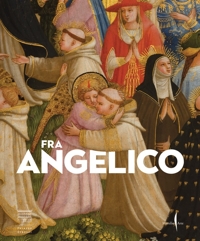
Beato Angelico
Firenze, Palazzo Strozzi, September 26, 2025 - January 25, 2026.
Edited by Carl Brandon Strehlke.
Testi di Stefano Casciu, Marco Mozzo, Angelo Tartuferi.
Venezia, 2025; hardback, pp. 440, 300 col. ill., cm 25,2x29,8.
cover price: € 80.00
|
Books included in the offer:
Beato Angelico
Firenze, Palazzo Strozzi, September 26, 2025 - January 25, 2026.
Edited by Carl Brandon Strehlke.
Testi di Stefano Casciu, Marco Mozzo, Angelo Tartuferi.
Venezia, 2025; hardback, pp. 440, 300 col. ill., cm 25,2x29,8.
FREE (cover price: € 80.00)
Marche e Toscana. Terre di grandi maestri tra Quattro e Seicento
Ospedaletto, 2007; bound, pp. 320, col. ill., col. plates, cm 25,5x29.
FREE (cover price: € 77.00)

Segni dell'Eucarestia
Edited by M. Luisa Polichetti.
Ancona, Osimo, Loreto Jesi, Senigallia, Fabriano e Metelica, 23 giugno - 31 ottobre 2011.
Torino, 2011; paperback, pp. 221, b/w and col. ill., cm 24x28.
FREE (cover price: € 32.00)

NeanderArt 2018. Proceedings. Is there palaeoart before modern humans? Did Neanderthals or other early humans create 'art'?
Marcovalerio
Italian and English Text.
Cercenasco, 2020; paperback, pp. 460, b/w and col. ill., cm 20x28,5.
ISBN: 88-7547-539-3 - EAN13: 9788875475390
Subject: Essays on Ancient Times
Languages: 

Weight: 2.13 kg
Then, in February 2018, an astonishing article appeared on Nature, suggesting something completely new: some European cave paintings have been dated to a minimum age of 65.000 years before today, a period in which Europe was populated only by Neanderthals (Homo sapiens arrived in this continent only 20.000 years later). If confirmed, this finding would be the first proof of a specific artistic behavior operated by Neanderthals, thus requiring a revision of large part of our beliefs concerning the development of human symbolic behavior. These findings might also demand a revision of some terms commonly used in archaeology, as "symbol", "art", "nonutilitarian behavior"..

Dalle Alpi Giulie al mare. Viaggio nella biodiversità. From the Julian Alps to the Adriatic

Santa Maria dell'Anima. Dinamiche Sociali e Arte di una Comunità Straniera a Roma tra '400 e '600
