






 LATEST ART BOOKS
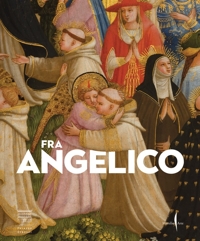
Beato Angelico. Ediz. a colori
Firenze, Palazzo Strozzi, September 26, 2025 - January 25, 2026.
Edited by Carl Brandon Strehlke.
Testi di Stefano Casciu, Marco Mozzo, Angelo Tartuferi.
Venezia, 2025; hardback, pp. 440, 300 col. ill., cm 25,2x29,8.
cover price: € 80.00
|
Books included in the offer:
Beato Angelico. Ediz. a colori
Firenze, Palazzo Strozzi, September 26, 2025 - January 25, 2026.
Edited by Carl Brandon Strehlke.
Testi di Stefano Casciu, Marco Mozzo, Angelo Tartuferi.
Venezia, 2025; hardback, pp. 440, 300 col. ill., cm 25,2x29,8.
FREE (cover price: € 80.00)
Marche e Toscana. Terre di grandi maestri tra Quattro e Seicento
Ospedaletto, 2007; bound, pp. 320, col. ill., col. plates, cm 25,5x29.
FREE (cover price: € 77.00)

Segni dell'Eucarestia
Edited by M. Luisa Polichetti.
Ancona, Osimo, Loreto Jesi, Senigallia, Fabriano e Metelica, 23 giugno - 31 ottobre 2011.
Torino, 2011; paperback, pp. 221, b/w and col. ill., cm 24x28.
FREE (cover price: € 32.00)

Louise Lawler And Others
Hatje Cantz
Museum für Gegenwartskunst Basel, May 15 - August 29, 2004.
English Text.
Ostfildern, 2004; clothbound, pp. 160, ill., cm 16x24.
Other editions available: German Edition (ISBN: 3-7757-1420-0).
ISBN: 3-7757-1464-2 - EAN13: 9783775714648
Subject: Photography
Period: 1960- Contemporary Period
Languages: 
Weight: 0.96 kg
The book offers the first retrospective overview of the artistic accomplishments of American conceptual artist Louise Lawler during the past twenty years. It also presents a number of very recent works. Lawler (born 1947 in Bronxville, New York) subjects the concept of art to critical analysis by photographing drawings, paintings, and sculptures and incorporating aspects of their immediate surroundings into these "copies." Viewed with a certain detachment, her demystified reproductions also reveal the contextual and situational connotations of the artworks, which recede to a certain extent into the background. In her own exhibitions Lawler restages and reflects on these institutionalizations and questions connotational shifts brought on by art industry. In the process, she makes it clear that the presentation - and thus the interpretation - of art can never be free of value judgments

Pietro Bellotti Detto Canaletty. Un Vedutista Veneziano nella Francia dell'Ancien Régime
Gli occhi dell'arte. Scritti, studi e opere in onore di Ferdinando Peretti. Ediz. italiana e inglese

Conte e Mattarella. Sul palcoscenico e dietro le quinte del Quirinale. Un racconto sulle istituzioni
