




 LATEST ART BOOKS
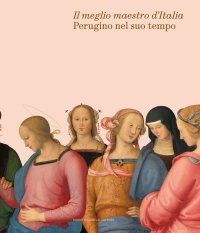
Perugino e il Suo Tempo. "Il Meglio Maestro d'Italia"
Perugia, Galleria Nazionale dell'Umbria, March 4 - June 11, 2023.
Edited by Picchiarelli V. and Pierini M.
Milano, 2023; bound, pp. 592, 650 col. ill., cm 24x21.
cover price: € 40.00
|
Books included in the offer:
Perugino e il Suo Tempo. "Il Meglio Maestro d'Italia"
Perugia, Galleria Nazionale dell'Umbria, March 4 - June 11, 2023.
Edited by Picchiarelli V. and Pierini M.
Milano, 2023; bound, pp. 592, 650 col. ill., cm 24x21.
FREE (cover price: € 40.00)
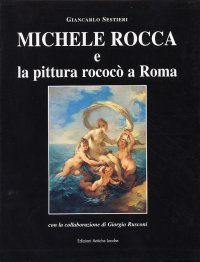
Michele Rocca e la pittura rococo a Roma
Brescia, 2004; bound in a case, pp. 310, b/w and col. ill., tavv., cm 24,5x31,5.
FREE (cover price: € 180.00)
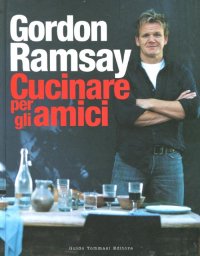
Cucinare per gli amici
Translation by S. Mancuso.
Milano, 2012; clothbound, pp. 269, ill., cm 21x26,5.
(Gli Illustrati).
FREE (cover price: € 29.90)
Fratelli Alinari. Photographers in Florence
Fratelli Alinari IDEA s.p.a.
Translation by Pauli E.
Firenze, 2003; paperback, pp. 280, ill., tavv., cm 24x28.
(Storia della Fotografia).
series: Storia della Fotografia
ISBN: 88-7292-436-7 - EAN13: 9788872924365
Subject: Photography,Travel's Culture
Period: 1800-1960 (XIX-XX) Modern Period,1960- Contemporary Period
Places: Florence,Tuscany
Languages: 
Weight: 1.47 kg
The cultural objectives and the working methods of the Florentine studio became a distinctive mark and were imitated throughout Europe. Before long the Alinari were thought of as the representatives of the Italian image in the world.
The second generation of photographers continued to profit from the knowledge acquired in the course of the years and developed new inventions and techniques, never losing sight of the programmatic guidelines still universally valid. The distinctive Alinari mark is there, no matter what the subject of the photograph may be.
The Alinari studio was also influenced by the other arts such as sculpture and architecture and their evolution. Nor does the photographic documentation disregard the more or lesser-known personalities, in addition to the scenes of everyday life and the world of work in the classic tradition of the veristic literature of Giovanni Verga and Grazia Deledda.
Photography is therefore here seen as a tool that bears witness to the history of a society and the revolutionary cultural changes that bridged two centuries.