






 LATEST ART BOOKS
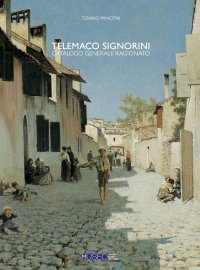
Telemaco Signorini. Catalogo generale ragionato delle opere
Pistoia, 2019; bound, pp. 810, 1500 b/w and col. ill., cm 21,5x29,5.
cover price: € 240.00
|
Books included in the offer:
Telemaco Signorini. Catalogo generale ragionato delle opere
Pistoia, 2019; bound, pp. 810, 1500 b/w and col. ill., cm 21,5x29,5.
FREE (cover price: € 240.00)
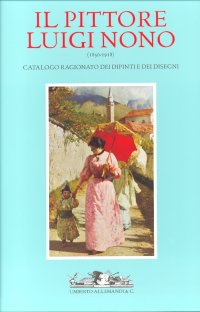
Il Pittore Luigi Nono (1850-1918). Catalogo Ragionato dei Dipinti e dei Disegni. La Vita, i Documenti, le Opere
Torino, 2006; 2 vols., bound in a case, pp. 576, 862 b/w ill., 117 col. plates, cm 25x34.
(Varia).
FREE (cover price: € 250.00)
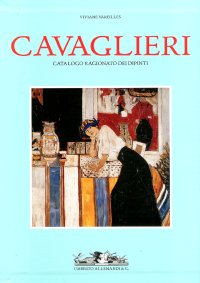
Cavaglieri. Catalogo Ragionato dei Dipinti: la Vita e le Opere. Catalogo delle Opere
Torino, 2006; 2 vols., bound in a case, pp. 608, b/w ill., 125 col. ill., 125 col. plates, cm 25x35.
(Archivi dell'Ottocento).
FREE (cover price: € 250.00)
Rivista di studi portoghesi e brasiliani. 7. 2005
Fabrizio Serra Editore
Pisa, 2006; paperback, pp. 144, ill., cm 16x24.
(Rivista di studi portoghesi e brasiliani. Rivista annuale diretta da Ettore Finazzi Agrò. 7.2005).
series: Rivista di studi portoghesi e brasiliani. 0007.
Other editions available: ISSN 1129-4205.
Languages: 
Weight: 0.44 kg
It is impossible to summarize the close-meshed web of exchanges, influxes and reciprocal influences that forge links among the various Portuguese-speaking lands, but it is certainly worth recalling that the far-flung geographic extension, welded by the use of a common language, has historically been the privileged space for the most intense cultural intermingling among peoples, traditions, and societies of the greatest diversity. In a globalized world, this network of interaction and dialogue may become the ideal dimension in which to evaluate the modes and effects of a cultural hybridization which Europe, and Italy in particular, are called upon to address within a brief stretch of time, and to address with more refined tools than the current crude policy of "proscription".
The Rivista di Studi Portoghesi e Brasiliani which engages ideally in dialogue - albeit enhanced by many innovations and fine-tuning to the spirit of the age will now endeavour to inquire into some of the major questions linked to the cultural universe of the Portuguese language, a universe that is at one and the same time delimited and limitless. The Editors have thus decided to subdivide each number into two parts: one devoted to in-depth investigation of a specific theme, and the other open to contributions by scholars of varying scientific or academic background, who will seek to illustrate and decipher specific aspects of this evocative cultural dimension.

Pietro Bellotti Detto Canaletty. Un Vedutista Veneziano nella Francia dell'Ancien Régime
Il poliedrico SID in B/N. Nella pittura, nella scultura, nella grafica e nella street art
Building in Africa. Cape to Cairo in 150 days: experiences of an engineer

Gigante 2027. Catalogo nazionale delle monete italiane dal '700 alla fine della lira
Il libro della magia cerimoniale. La tradizione segreta nella Goetia
Conte e Mattarella. Sul palcoscenico e dietro le quinte del Quirinale. Un racconto sulle istituzioni
