






 LATEST ART BOOKS
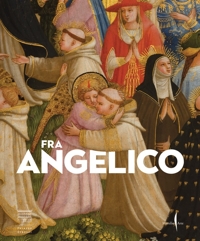
Beato Angelico
Firenze, Palazzo Strozzi, September 26, 2025 - January 25, 2026.
Edited by Carl Brandon Strehlke.
Testi di Stefano Casciu, Marco Mozzo, Angelo Tartuferi.
Venezia, 2025; bound, pp. 440, 300 col. ill., cm 25,2x29,8.
cover price: € 80.00
|
Books included in the offer:
Beato Angelico
Firenze, Palazzo Strozzi, September 26, 2025 - January 25, 2026.
Edited by Carl Brandon Strehlke.
Testi di Stefano Casciu, Marco Mozzo, Angelo Tartuferi.
Venezia, 2025; bound, pp. 440, 300 col. ill., cm 25,2x29,8.
FREE (cover price: € 80.00)
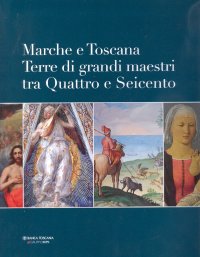
Marche e Toscana. Terre di grandi maestri tra Quattro e Seicento
Ospedaletto, 2007; bound, pp. 320, col. ill., col. plates, cm 25,5x29.
FREE (cover price: € 77.00)
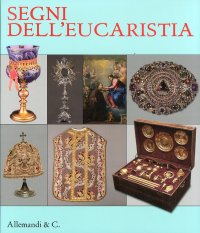
Segni dell'Eucarestia
Edited by M. Luisa Polichetti.
Ancona, Osimo, Loreto Jesi, Senigallia, Fabriano e Metelica, 23 giugno - 31 ottobre 2011.
Torino, 2011; paperback, pp. 221, b/w and col. ill., cm 24x28.
FREE (cover price: € 32.00)
Domus et splendida palatia. Residenze papali e cardinalizie a Roma fra XII e XV secolo
Edizioni della Normale Superiore di Pisa
Edited by Monciatti A.
Pisa, 2005; paperback, pp. XII-216, ill., cm 15x24.
ISBN: 88-7642-135-1 - EAN13: 9788876421358
Subject: Architects and their Practices,Civil Architecture/Art,Collections,Towns
Period: 1000-1400 (XII-XIV) Middle Ages
Places: Rome
Languages: 
Weight: 0.62 kg
The theme is new and original. Researches on city topography, starting from the studies by Richard Krautheimr have been taken up, in the last decades, with settlements of the nobility and some baronial fortresses, especially because of their importance in defining 'political topography' and the course of urban events.
From the sources, however, it emerges that neither the one nor the other represent all the residences of civil and architectural prestige. Indeed in reconstructing the panorama of the city, those of the ecclesiastic hierarchy could not be neglected, even if a clear typological distinction is not possible. Their study had never been taken up organically. Working on what survives and the indirect tradition and laying aside every traditional disciplinary prejudice, the contributions by archaeologists, historians and art historians collected here represent and synthesise the different aspects and problems this phenomenon poses, emphasising in a particular way the importance of the residences of those that formed the College of Cardinals. Going over again the development methods, through the centuries, of the buildings attached to the main cultural settlements, the special statutes that the Lateran palace and the papal apartments at the Vatican Basilica are better brought to light.
Our perception of the city at the end of the Middle Ages is thus better articulated to such an extent that ecclesiastical residences cannot be left out of the elements that describe its appearance.


Santa Maria dell'Anima. Dinamiche Sociali e Arte di una Comunità Straniera a Roma tra '400 e '600
