






 LATEST ART BOOKS
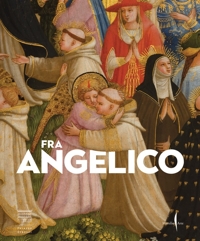
Beato Angelico
Firenze, Palazzo Strozzi, September 26, 2025 - January 25, 2026.
Edited by Carl Brandon Strehlke.
Testi di Stefano Casciu, Marco Mozzo, Angelo Tartuferi.
Venezia, 2025; bound, pp. 440, 300 col. ill., cm 25,2x29,8.
cover price: € 80.00
|
Books included in the offer:
Beato Angelico
Firenze, Palazzo Strozzi, September 26, 2025 - January 25, 2026.
Edited by Carl Brandon Strehlke.
Testi di Stefano Casciu, Marco Mozzo, Angelo Tartuferi.
Venezia, 2025; bound, pp. 440, 300 col. ill., cm 25,2x29,8.
FREE (cover price: € 80.00)
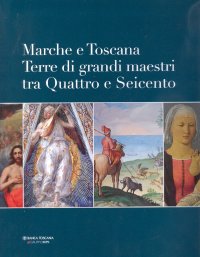
Marche e Toscana. Terre di grandi maestri tra Quattro e Seicento
Ospedaletto, 2007; bound, pp. 320, col. ill., col. plates, cm 25,5x29.
FREE (cover price: € 77.00)
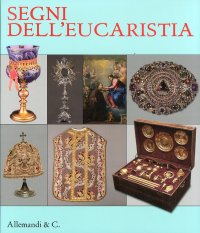
Segni dell'Eucarestia
Edited by M. Luisa Polichetti.
Ancona, Osimo, Loreto Jesi, Senigallia, Fabriano e Metelica, 23 giugno - 31 ottobre 2011.
Torino, 2011; paperback, pp. 221, b/w and col. ill., cm 24x28.
FREE (cover price: € 32.00)
Bruno Munari-Luigi Veronesi. Tra fantasia e metodo
Edizioni Gabriele Mazzotta
Cavalese, Centro Arte Contemporanea, July 11, 2003 - January 6, 2004.
Edited by C. Cerritelli and Berlanda O.
Milano, 2003; paperback, pp. 160, 5 b/w ill., 222 col. ill., cm 23x27.
(Biblioteca d'Arte).
series: Biblioteca d'Arte
ISBN: 88-202-1628-0 - EAN13: 9788820216283
Subject: Monographs (Painting and Drawing),Monographs (Sculpture and Decorative Arts)
Period: 1800-1960 (XIX-XX) Modern Period,1960- Contemporary Period
Places: No Place
Languages: 
Weight: 0.93 kg
These two masters, well-known both in Italy and abroad, have a crucial role in the contemporary artistical heritage since they were the spokesmen of the concept of “total art”, a system of interacting languages, from drawing to publishing graphic, from photography to cinema, from set disigning to music and finally to the interest for education and teaching of artistical disciplines.
Bruno Munari (Milan 1907 – 1998) and Luigi Veronesi (Milan 1908 – 1998) have a lot in common; they belong to the same generation, and share the same interest for interdisciplinary issues, they love fantasy of images and rigour of method, and aspire to an idea of “total art” though their different characters have influenced their creative experiences.
Munari and Veronesi pursue the idea of “thinking and making art” as a total experience that cannot be included into a formula or into a system of autoreference signs, but that goes beyond through the analogies between visual and verbal, tactile and sound expressions.


Santa Maria dell'Anima. Dinamiche Sociali e Arte di una Comunità Straniera a Roma tra '400 e '600
