






 LATEST ART BOOKS
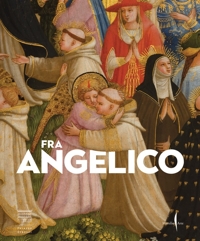
Beato Angelico
Firenze, Palazzo Strozzi, September 26, 2025 - January 25, 2026.
Edited by Carl Brandon Strehlke.
Testi di Stefano Casciu, Marco Mozzo, Angelo Tartuferi.
Venezia, 2025; bound, pp. 440, 300 col. ill., cm 25,2x29,8.
cover price: € 80.00
|
Books included in the offer:
Beato Angelico
Firenze, Palazzo Strozzi, September 26, 2025 - January 25, 2026.
Edited by Carl Brandon Strehlke.
Testi di Stefano Casciu, Marco Mozzo, Angelo Tartuferi.
Venezia, 2025; bound, pp. 440, 300 col. ill., cm 25,2x29,8.
FREE (cover price: € 80.00)
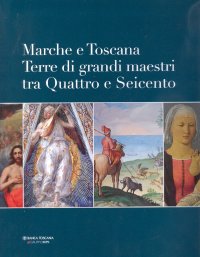
Marche e Toscana. Terre di grandi maestri tra Quattro e Seicento
Ospedaletto, 2007; bound, pp. 320, col. ill., col. plates, cm 25,5x29.
FREE (cover price: € 77.00)
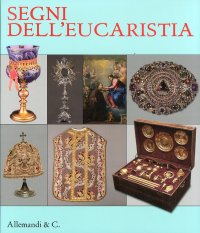
Segni dell'Eucarestia
Edited by M. Luisa Polichetti.
Ancona, Osimo, Loreto Jesi, Senigallia, Fabriano e Metelica, 23 giugno - 31 ottobre 2011.
Torino, 2011; paperback, pp. 221, b/w and col. ill., cm 24x28.
FREE (cover price: € 32.00)
Fang Lijun. The Precipice over the Clouds
Edizioni Charta
Torino, GAM, June 22 - September 30, 2012.
English Text.
Milano, 2012; bound, pp. 264, col. ill., col. plates, cm 25x33,5.
ISBN: 88-8158-847-1 - EAN13: 9788881588473
Subject: Essays (Art or Architecture),Monographs (Painting and Drawing),Painting
Period: 1800-1960 (XIX-XX) Modern Period,1960- Contemporary Period
Languages: 
Weight: 2.2 kg
By the early 1990s Fang Lijun was one of the major exponents of Cynical Realism, a term coined by Li Xianting and characterized by a subtle rebellious humor: the word "rebellious"-which in Chinese encompasses the concept of cynicism-signifying that which is jocular, fun-loving, free-wheeling, unrestrained, blasé and capable of seeing through things.
Informed by his personal journey, Fang's art has gradually evolved to create an expansive world both epically vast and profoundly human, whose narratives depict crowds, landscapes, swimmers, emerging heads, flowers, skies and floating children.
Repetition is a dominant motif, but heresuch repetition derives from practices common to Eastern philosophy andmeditation techniques, which disrupt the chronological sensibility that is so fundamental to Western thought.
Fang's painting is rigorous, distinctive and balanced, suggesting within it the secrets of the East and the contemporary anguish of identity loss. It is an art of cynical fantasies: what appears to be radiant and smiling may reveal a painful reality. Fang's world of everyday fears is much nearer to us than we suspect.


Santa Maria dell'Anima. Dinamiche Sociali e Arte di una Comunità Straniera a Roma tra '400 e '600
