






 LATEST ART BOOKS
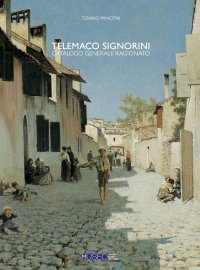
Telemaco Signorini. Catalogo generale ragionato delle opere
Pistoia, 2019; bound, pp. 810, 1500 b/w and col. ill., cm 21,5x29,5.
cover price: € 240.00
|
Books included in the offer:
Telemaco Signorini. Catalogo generale ragionato delle opere
Pistoia, 2019; bound, pp. 810, 1500 b/w and col. ill., cm 21,5x29,5.
FREE (cover price: € 240.00)
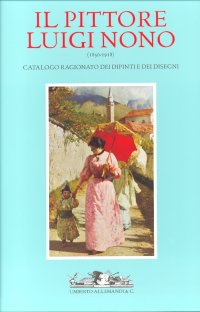
Il Pittore Luigi Nono (1850-1918). Catalogo Ragionato dei Dipinti e dei Disegni. La Vita, i Documenti, le Opere
Torino, 2006; 2 vols., bound in a case, pp. 576, 862 b/w ill., 117 col. plates, cm 25x34.
(Varia).
FREE (cover price: € 250.00)
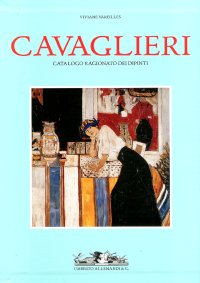
Cavaglieri. Catalogo Ragionato dei Dipinti: la Vita e le Opere. Catalogo delle Opere
Torino, 2006; 2 vols., bound in a case, pp. 608, b/w ill., 125 col. ill., 125 col. plates, cm 25x35.
(Archivi dell'Ottocento).
FREE (cover price: € 250.00)
Borman in Context. Brabantine Sculpture from 1460-1540
Brepols Publishers
Edited by Marjan Debaene, Hannah De Moor.
English and French Text.
Turnhout, 2025; bound, pp. 326, cm 18x26.
ISBN: 2-503-60799-3 - EAN13: 9782503607993
Subject: Collections,Sculpture
Period: 1400-1800 (XV-XVIII) Renaissance
Languages: 

Weight: 0 kg
In September 2019, ten years of interdisciplinary research culminated in the first-ever monographic exhibition on the Borman family, titled Borman and Sons. The Best Sculptors (20.09.19-26.01.20) at M Leuven. The exhibition was accompanied by a new publication on the Borman family of Brussels sculptors, who were active from the second half of the fifteenth century into the second third of the sixteenth century. The 6th Annual Ards Colloquium, held at M Leuven in November 2019, provided an in-depth contextualisation of the sculptural work of the Borman family. While a document from 1513 refers to the Bormans as 'the best sculptors', they did not operate in isolation. Brussels was a thriving artistic centre-a cultural hub that hosted numerous talented and influential artists, all working under the patronage of high-profile commissioners. This volume presents papers that explore the Bormans' role within the artistic context of the Duchy of Brabant, alongside discussions of stylistic and iconographical themes, as well as new discoveries concerning their commissions and works.

Pietro Bellotti Detto Canaletty. Un Vedutista Veneziano nella Francia dell'Ancien Régime
Il poliedrico SID in B/N. Nella pittura, nella scultura, nella grafica e nella street art
Building in Africa. Cape to Cairo in 150 days: experiences of an engineer

Gigante 2027. Catalogo nazionale delle monete italiane dal '700 alla fine della lira
Il libro della magia cerimoniale. La tradizione segreta nella Goetia
Conte e Mattarella. Sul palcoscenico e dietro le quinte del Quirinale. Un racconto sulle istituzioni
