




 LATEST ART BOOKS
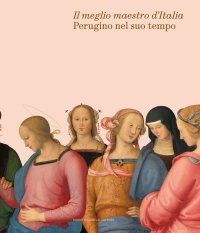
Perugino e il Suo Tempo. "Il Meglio Maestro d'Italia"
Perugia, Galleria Nazionale dell'Umbria, March 4 - June 11, 2023.
Edited by Picchiarelli V. and Pierini M.
Milano, 2023; bound, pp. 592, 650 col. ill., cm 24x21.
cover price: € 40.00
|
Books included in the offer:
Perugino e il Suo Tempo. "Il Meglio Maestro d'Italia"
Perugia, Galleria Nazionale dell'Umbria, March 4 - June 11, 2023.
Edited by Picchiarelli V. and Pierini M.
Milano, 2023; bound, pp. 592, 650 col. ill., cm 24x21.
FREE (cover price: € 40.00)
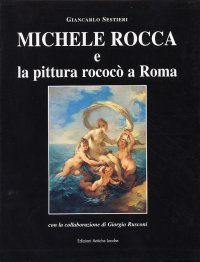
Michele Rocca e la pittura rococo a Roma
Brescia, 2004; bound in a case, pp. 310, b/w and col. ill., tavv., cm 24,5x31,5.
FREE (cover price: € 180.00)
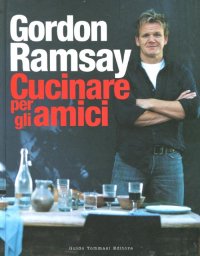
Cucinare per gli amici
Translation by S. Mancuso.
Milano, 2012; clothbound, pp. 269, ill., cm 21x26,5.
(Gli Illustrati).
FREE (cover price: € 29.90)
From the Italian Vernacular Villa to Schinkel to the Modern House
Biblioteca del Cenide
Edited by Fidone E.
Italian, English and German Text.
Co-Editore: Villa San Giovanni.
Cannitello, 2003; bound, pp. 240, b/w and col. ill., cm 30x24,5.
(Learning From).
series: Learning From
ISBN: 88-87669-35-X - EAN13: 9788887669350
Subject: Architects and their Practices,Graphic Arts (Prints, Drawings, Engravings, Miniatures),History of Architecture
Period: 1400-1800 (XV-XVIII) Renaissance,1800-1960 (XIX-XX) Modern Period,1960- Contemporary Period
Places: Europe
Languages: 


Weight: 1.36 kg
Karl Friederich Schinkel (1789-1841), one of the greatest architects of all time, visited Syracuse during his first visit to Italy in 1804. Here he came upon the site, only recently identified, that inspired the Landhaus bei Syracus project, or, in other words, the country house near Syracuse. This project was, in many ways, innovative and opened new outlooks regarding research that reflected on many of his works.
The fact that he paid so much attention to spontaneous southern architecture places Schinkel amongst those who considered vernacular Italian architecture as a font of inspiration and as a reflection on the fundamental principles of planning. This theme continued to be particularly relevant up until the Modern Movement and some of its developments can still be investigated into. The contribution of scholars from various nations, who gathered in Syracuse for an International Day of Study on this theme, offered new research outlooks that illustrate how the theme of the vernacular Italian house is at the base of a fundamental reference model for modern architecture.