






 LATEST ART BOOKS
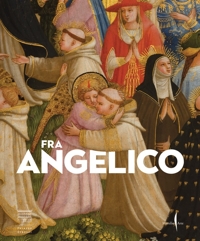
Beato Angelico. Ediz. a colori
Firenze, Palazzo Strozzi, September 26, 2025 - January 25, 2026.
Edited by Carl Brandon Strehlke.
Testi di Stefano Casciu, Marco Mozzo, Angelo Tartuferi.
Venezia, 2025; hardback, pp. 440, 300 col. ill., cm 25,2x29,8.
cover price: € 80.00
|
Books included in the offer:
Beato Angelico. Ediz. a colori
Firenze, Palazzo Strozzi, September 26, 2025 - January 25, 2026.
Edited by Carl Brandon Strehlke.
Testi di Stefano Casciu, Marco Mozzo, Angelo Tartuferi.
Venezia, 2025; hardback, pp. 440, 300 col. ill., cm 25,2x29,8.
FREE (cover price: € 80.00)
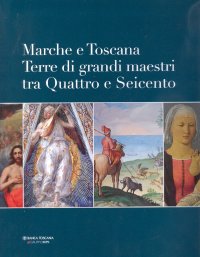
Marche e Toscana. Terre di grandi maestri tra Quattro e Seicento
Ospedaletto, 2007; bound, pp. 320, col. ill., col. plates, cm 25,5x29.
FREE (cover price: € 77.00)
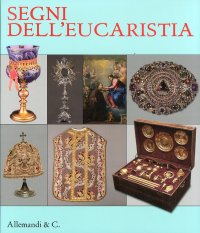
Segni dell'Eucarestia
Edited by M. Luisa Polichetti.
Ancona, Osimo, Loreto Jesi, Senigallia, Fabriano e Metelica, 23 giugno - 31 ottobre 2011.
Torino, 2011; paperback, pp. 221, b/w and col. ill., cm 24x28.
FREE (cover price: € 32.00)
Nino Costa (1826-1903). Transnational Exchange in European Landscape Painting
Schmidt Arnika
Silvana Editoriale
Edited by Bernstorff M. V.
English Text.
Cinisello Balsamo, 2016; clothbound, pp. 256, 113 b/w ill., 88 col. ill., cm 23x31.
(Studi della Bibliotheca Hertziana).
series: Studi della Bibliotheca Hertziana
ISBN: 88-366-3384-6 - EAN13: 9788836633845
Subject: Essays (Art or Architecture),Monographs (Painting and Drawing),Painting
Period: 1800-1960 (XIX-XX) Modern Period,1960- Contemporary Period
Places: Latium
Languages: 
Weight: 1.775 kg
Dissatisfied with the traditional approaches of Italian academic painters, Costa turned to the international artist community of his native Rome for inspiration. At first, Costa looked to the painters following Jean-Baptiste Corot's poetic approach to realism and then further developed his art working in close contact with English colleagues such as George Mason and Frederic Leighton. A patriot as well as a painter, Costa fought for both the unification of Italy and for a reinvigorated art that appropriately represented his homeland. Alongside his call for a new approach to national art, Costa continued to develop his own artistic practice within a cosmopolitan circle.
As well as tracing the history of Costa's life, this monograph pays particular attention to the cultural contexts of his French, Swiss, German, Italian and English colleagues, an approach that underscores his role as a transnational artist and a catalyst for change in nineteenth-century European landscape painting.


Santa Maria dell'Anima. Dinamiche Sociali e Arte di una Comunità Straniera a Roma tra '400 e '600
