






 LATEST ART BOOKS
Beato Angelico
Firenze, Palazzo Strozzi, September 26, 2025 - January 25, 2026.
Edited by Carl Brandon Strehlke.
Testi di Stefano Casciu, Marco Mozzo, Angelo Tartuferi.
Venezia, 2025; bound, pp. 440, 300 col. ill., cm 25,2x29,8.
cover price: € 80.00

|
Books included in the offer:
Beato Angelico
Firenze, Palazzo Strozzi, September 26, 2025 - January 25, 2026.
Edited by Carl Brandon Strehlke.
Testi di Stefano Casciu, Marco Mozzo, Angelo Tartuferi.
Venezia, 2025; bound, pp. 440, 300 col. ill., cm 25,2x29,8.
FREE (cover price: € 80.00)
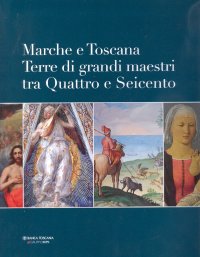
Marche e Toscana. Terre di grandi maestri tra Quattro e Seicento
Ospedaletto, 2007; bound, pp. 320, col. ill., col. plates, cm 25,5x29.
FREE (cover price: € 77.00)
Segni dell'Eucarestia
Edited by M. Luisa Polichetti.
Ancona, Osimo, Loreto Jesi, Senigallia, Fabriano e Metelica, 23 giugno - 31 ottobre 2011.
Torino, 2011; paperback, pp. 221, b/w and col. ill., cm 24x28.
FREE (cover price: € 32.00)

L'ossessione della razza. Antropologia e genetica nel XX secolo
Pogliano Claudio
Edizioni della Normale Superiore di Pisa
Pisa, 2005; paperback, pp. 582, cm 15x23.
(Studi. 1).
series: Studi
ISBN: 88-7642-146-7 - EAN13: 9788876421464
Subject: Essays (Art or Architecture)
Period: 1960- Contemporary Period
Places: No Place
Languages: 
Weight: 1.09 kg
It does so, assuming as a priority point of view the concept of race and its vicissitudes in the course of the xxth century.
Different from what is usually thought, the 'waning'of this concept has never definitively been achieved, not with standing that some sectors of the scientific community have tried to emend it in successive stages by substituting or dismissing it as the residue (more or less unwelcome) of a period it would have preferred to close once and for all.
Anthropologists and geneticists are, for the most part, at the centre of the book;
the former are heirs to a tradition already codified during the xixth century; the latter followers of a younger discipline, but one that is rapidly growing. Both are involved in trying to give account of an indisputable fact: human differences.
But once this is recognised, it has to be established what to concentrate on, the physical characteristics of the phonotype or the hidden properties of the genotype. And then one has to define with which instruments it is possible in the most efficient way to meet the need for classification: either by using the old anthropomatic method or new laboratory techniques helped by statistics.
However, applied to the human species, the concept of race reveals postulates and inclinations that, crossing the horizon of the history of sciences, touch an foundamental ethical and political problems. It is precisely on this point that L'ossessione della razza invites us to reflect: the varied - but constant - intertwining between ideological 'pregiudicies' and scientific theories, between practices of the science and conceptions of the world.


Santa Maria dell'Anima. Dinamiche Sociali e Arte di una Comunità Straniera a Roma tra '400 e '600
