






 LATEST ART BOOKS
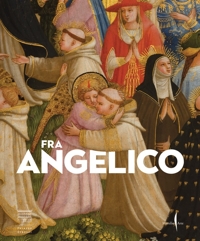
Beato Angelico. Ediz. a colori
Firenze, Palazzo Strozzi, September 26, 2025 - January 25, 2026.
Edited by Carl Brandon Strehlke.
Testi di Stefano Casciu, Marco Mozzo, Angelo Tartuferi.
Venezia, 2025; hardback, pp. 440, 300 col. ill., cm 25,2x29,8.
cover price: € 80.00
|
Books included in the offer:
Beato Angelico. Ediz. a colori
Firenze, Palazzo Strozzi, September 26, 2025 - January 25, 2026.
Edited by Carl Brandon Strehlke.
Testi di Stefano Casciu, Marco Mozzo, Angelo Tartuferi.
Venezia, 2025; hardback, pp. 440, 300 col. ill., cm 25,2x29,8.
FREE (cover price: € 80.00)
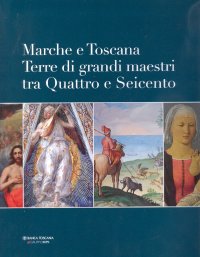
Marche e Toscana. Terre di grandi maestri tra Quattro e Seicento
Ospedaletto, 2007; bound, pp. 320, col. ill., col. plates, cm 25,5x29.
FREE (cover price: € 77.00)
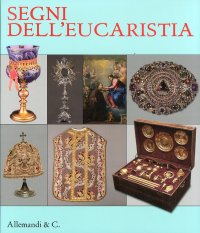
Segni dell'Eucarestia
Edited by M. Luisa Polichetti.
Ancona, Osimo, Loreto Jesi, Senigallia, Fabriano e Metelica, 23 giugno - 31 ottobre 2011.
Torino, 2011; paperback, pp. 221, b/w and col. ill., cm 24x28.
FREE (cover price: € 32.00)
Semiramide e le sue sorelle. Immagini di donne nell'antica Mesopotamia
Pinnock Frances
Skira
Milano, 2006; bound, pp. 320, ill., tavv., cm 16x22.
(Biblioteca d'Arte Skira).
series: Biblioteca d'Arte Skira
ISBN: 88-7624-528-6 - EAN13: 9788876245282
Subject: Essays on Ancient Times,Metal Working,Painting,Sculpture
Period: 0-1000 (0-XI) Ancient World
Places: Out of Europe
Extra: Oriental Art and Culture
Languages: 
Weight: 0.83 kg
Though an extremely intriguing line of research regards female power, which must often be sought behind the wings, a "secret engine" of male action, it is perhaps even more interesting to study how certain rare ascendancies of women to power have been misrepresented and transformed by historical and literary tradition, usually a field dominated by men: thus the women of ancient societies who rose to become queens were almost always seen as usurpers, vindictive and dissolute, blood-thirsty and destined to meet a tragic end, a just punishment for their heinous crimes. From this point of view it goes without saying that their most unforgivable crime was to have seized power, a fact from which all other evil consequences ensued.
The analysis of the role of women seems even more difficult in the ancient near east, because of the lack of material documentation and the lack of objectivity in textual documentation.
Perhaps it has not been possible to produce a portrait of the "Mesopotamian woman", but it is certain that some women of Mesopotamia have certainly been highlighted as active participants in the society of their time and still maintain, in some cases, great evocative charm for us though we approach them with much difficulty and uncertainty.


Santa Maria dell'Anima. Dinamiche Sociali e Arte di una Comunità Straniera a Roma tra '400 e '600
