



art and architecture bookstore
italiano

email/login

password

remember me on this computer

send


Forgot your password?
Insert your email/login here and receive it at the given email address.

send

chiudi

ricerca avanzata

chiudi

DEAL OF THE DAY

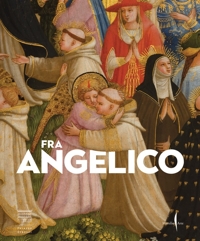
Beato Angelico

Firenze, Palazzo Strozzi, September 26, 2025 - January 25, 2026.
Edited by Carl Brandon Strehlke.
Testi di Stefano Casciu, Marco Mozzo, Angelo Tartuferi.
Venezia, 2025; bound, pp. 456, 300 col. ill., cm 24x29.

cover price: € 80.00

Beato Angelico

Total price: € 80.00 € 189.00 add to cart carrello

Books included in the offer:

Beato Angelico

Firenze, Palazzo Strozzi, September 26, 2025 - January 25, 2026.
Edited by Carl Brandon Strehlke.
Testi di Stefano Casciu, Marco Mozzo, Angelo Tartuferi.
Venezia, 2025; bound, pp. 456, 300 col. ill., cm 24x29.

FREE (cover price: € 80.00)

Beato Angelico

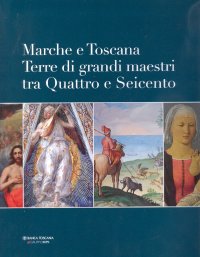
Marche e Toscana. Terre di grandi maestri tra Quattro e Seicento

Ospedaletto, 2007; bound, pp. 320, col. ill., col. plates, cm 25,5x29.

FREE (cover price: € 77.00)
Marche e Toscana. Terre di grandi maestri tra Quattro e Seicento

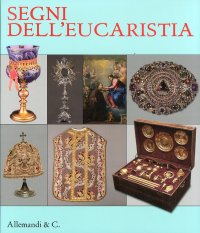
Segni dell'Eucarestia

Edited by M. Luisa Polichetti.
Ancona, Osimo, Loreto Jesi, Senigallia, Fabriano e Metelica, 23 giugno - 31 ottobre 2011.
Torino, 2011; paperback, pp. 221, b/w and col. ill., cm 24x28.

FREE (cover price: € 32.00)
Segni dell'Eucarestia

chiudi

The Eloquent Artist. Construction of Narrative in Early Renaissance Painting

Edizioni Pendragon

Bologna, 2024; paperback, pp. 298, col. ill., cm 17x24.
(Critica d'Arte. 4).

series: Critica d'Arte

ISBN: 88-3364-713-7 - EAN13: 9788833647135

Subject: Essays (Art or Architecture),Painting

Period: 1400-1800 (XV-XVIII) Renaissance

Languages:  italian text  

Weight: 0.62 kg


The Eloquent Artist advances the notion that by the end of the thirteenth century fresh narrative techniques inspired by ancient sources began to appear in works of art. When a young Giotto renders the story of St. Francis in the Upper Basilica in Assisi, he employs gestures and expressions for which parallels can be seen in classical literature. Yet how could an artist like Giotto have known any of these techniques? Petrioli and Smith's assumption is that Giotto could read, as can be inferred from numerous anecdotes about his learnedness such as those preserved in the writings of Franco Sachetti, Giovanni Boccaccio, and Filippo Villani. The Chancon Giotti, too, if authentic, would support the notion that Giotto was more than a mere artisan. Giotto led the way, and in his wake followed other artists, from Simone Martini to Giusto de' Menabuoi to Altichiero da Zevio. Padua provided an intellectual hub where much of the cultural phenomenon that fostered artists such as Giotto could germinate. At the center of that hub was Petrarch, who befriended or at least interacted with Giotto's successors, bringing them within the Paduan intellectual milieu where they would take root and thrive. These artists would demonstrate in their painting fresh narrative techniques that had hitherto largely belonged to the provenance of literature

YOU CAN ALSO BUY


SPECIAL OFFERS AND BESTSELLERS
€ 36.10
€ 38.00 -5%

ships in 2/3 weeks


design e realizzazione: Vincent Wolterbeek / analisi e programmazione: Rocco Barisci