






 LATEST ART BOOKS
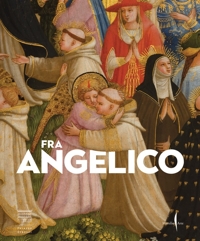
Beato Angelico. Ediz. a colori
Firenze, Palazzo Strozzi, September 26, 2025 - January 25, 2026.
Edited by Carl Brandon Strehlke.
Testi di Stefano Casciu, Marco Mozzo, Angelo Tartuferi.
Venezia, 2025; hardback, pp. 440, 300 col. ill., cm 25,2x29,8.
cover price: € 80.00
|
Books included in the offer:
Beato Angelico. Ediz. a colori
Firenze, Palazzo Strozzi, September 26, 2025 - January 25, 2026.
Edited by Carl Brandon Strehlke.
Testi di Stefano Casciu, Marco Mozzo, Angelo Tartuferi.
Venezia, 2025; hardback, pp. 440, 300 col. ill., cm 25,2x29,8.
FREE (cover price: € 80.00)
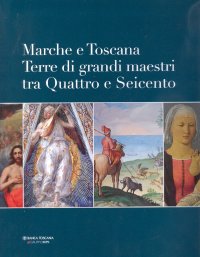
Marche e Toscana. Terre di grandi maestri tra Quattro e Seicento
Ospedaletto, 2007; bound, pp. 320, col. ill., col. plates, cm 25,5x29.
FREE (cover price: € 77.00)
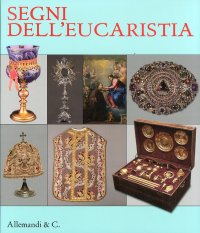
Segni dell'Eucarestia
Edited by M. Luisa Polichetti.
Ancona, Osimo, Loreto Jesi, Senigallia, Fabriano e Metelica, 23 giugno - 31 ottobre 2011.
Torino, 2011; paperback, pp. 221, b/w and col. ill., cm 24x28.
FREE (cover price: € 32.00)
The Lotus Flower. A textile hidden in the Water
Piana Loro
Skira
English Text.
Milano, 2011; clothbound, pp. 144, 100 col. ill., cm 28x30.
ISBN: 88-572-0887-7 - EAN13: 9788857208879
Subject: Photography
Languages: 
Weight: 1.42 kg
The latest textile treasure discovered by Loro Piana grows in the waters of Inle Lake in eastern Myanmar: the fibre of the lotus flower. This extraordinary raw material of vegetable origin is obtained from the aquatic plant that was sacred to the Buddha. The Intha people, "children of the lake", use ancient techniques passed down across generations to work the fibres into a very fine thread exclusively by hand.
In six chapters of photographs, the volume leads the reader through the magic hills of the Shan plateau and among lake pile-dwellings, where the slow rhythm of a timeless existence in total harmony with nature is measured out in the harvesting of the lotus, the catching of fish and the cultivation of fruits and vegetables in floating gardens.
Every year during the rainy season, the Intha harvest the stems of the lotus flower and extract the fibres that will be spun into thread, just over a hundred grams in a full day's work, performed according to the slow rhythm of tradition, which now may become a source of livelihood for future populations as well.

Gli occhi dell'arte. Scritti, studi e opere in onore di Ferdinando Peretti. Ediz. italiana e inglese

Giovanni Bernardo Carbone 1616-1683. Un ritrattista «alla moda» nella Genova di metà Seicento
Museo della Ceramica Contemporanea Mediterranea di Cava de' Tirreni. Ediz. a colori
Conte e Mattarella. Sul palcoscenico e dietro le quinte del Quirinale. Un racconto sulle istituzioni
