




 LATEST ART BOOKS
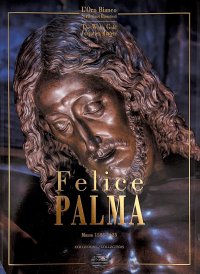
Felice Palma. Massa 1583-1625. Collezione / Collection.
Texts by Claudio Casini, Andrei Cristina, Ciarlo Nicola, Federici Fabrizio and Sara Ragni.
Italian and English Text.
Pontedera, 2024; bound in a case, pp. 289, b/w and col. ill., b/w and col. plates, cm 24,5x34.
(L'Oro Bianco. Straordinari Dimenticati. The White Gold Forgotten Masters).
cover price: € 160.00
|
Books included in the offer:
Felice Palma. Massa 1583-1625. Collezione / Collection.
Texts by Claudio Casini, Andrei Cristina, Ciarlo Nicola, Federici Fabrizio and Sara Ragni.
Italian and English Text.
Pontedera, 2024; bound in a case, pp. 289, b/w and col. ill., b/w and col. plates, cm 24,5x34.
(L'Oro Bianco. Straordinari Dimenticati. The White Gold Forgotten Masters).
FREE (cover price: € 160.00)
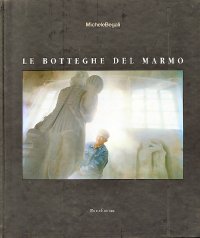
Le botteghe del marmo
Italian and English Text.
Ospedaletto, 1992; bound, pp. 153, 10 b/w ill., 60 col. ill., cm 24x29.
(Immagine).
FREE (cover price: € 34.49)
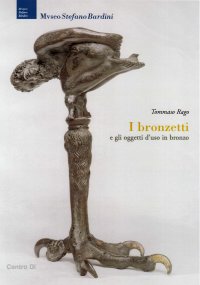
Museo Stefano Bardini. I Bronzetti e gli Oggetti d'Uso in Bronzo
Edited by Nesi A.
Firenze, 2009; paperback, pp. 191, 102 b/w ill., 7 col. ill., cm 17x24,5.
(Museo Stefano Bardini).
FREE (cover price: € 30.00)
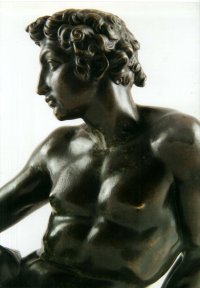
Bronzetti e Rilievi dal XV al XVIII Secolo
Bologna, 2015; 2 vols., bound in a case, pp. 729, ill., col. plates, cm 21,5x30,5.
FREE (cover price: € 90.00)
Giovanni Bellini. An Introduction
Peter Humfrey
Marsilio
Texts by Peter Humfrey.
English Text.
Venezia, 2021; paperback, pp. 280, 170 col. ill., cm 21x28.
Other editions available: Edizione italiana 88-297-0942
ISBN: 88-297-0943-3 - EAN13: 9788829709434
Subject: Monographs (Painting and Drawing),Painting
Period: 1400-1800 (XV-XVIII) Renaissance
Languages: 
Weight: 1.34 kg
Italian Renaissance artist Giovanni Bellini (c. 1435/40-1516) is considered the most important practitioner of Venetian painting in the latter half of the 15th century. Born into a family of painters, Bellini began studying art at a young age, painting primarily in the prevailing Gothic style of the early Renaissance. As time passed and he evolved as an artist, Bellini's wide-reaching influence came to inform the maniera moderna inherited by Giorgione and Titian. His unparalleled ability to both harness the expressive power of light and recreate the poetry of natural landscapes became the foundational tenets of the Venetian school of painting for centuries to come.
This volume provides an accessible guide to Bellini's work and the lasting influence of his career on Western European painting. Organized chronologically, the book maps the development of Bellini's own craft alongside the greater technical experimentation of the Quattrocento, detailing the artist's abandonment of traditional egg tempera technique for oil on canvas and taking into account the influence of contemporaries Andrea Mantegna and Antonello da Messina. Concise and up-to-date, this publication effectively conveys the magnitude of Bellini's contributions to Western European painting in the wider context of the era.