






 LATEST ART BOOKS
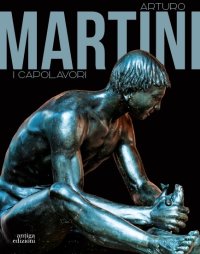
Arturo Martini. I capolavori
Treviso, Museo “luigi Bailo”, March 31 - July 30, 2023.
Edited by Stringa Nico and Fabrizio Malachin.
Cornuda, 2023; paperback, pp. 278, col. ill., cm 23x29.
cover price: € 33.00
|
Books included in the offer:
Arturo Martini. I capolavori
Treviso, Museo “luigi Bailo”, March 31 - July 30, 2023.
Edited by Stringa Nico and Fabrizio Malachin.
Cornuda, 2023; paperback, pp. 278, col. ill., cm 23x29.
FREE (cover price: € 33.00)
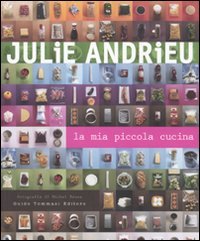
La mia piccola cucina
Illustrations by Soledad.
Translation by Marzano G.
Milano, 2009; paperback, pp. 359, ill., cm 21,5x26,5.
FREE (cover price: € 29.90)
Torte in fiore. Raffinate creazioni floreali in pasta di zucchero
Translation by Destro P. and Tosi L.
Milano, 2014; clothbound, pp. 224, ill., cm 25x29.
(Gli Illustrati).
FREE (cover price: € 35.00)

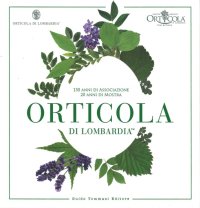
Orticola di Lombardia. 150 anni di associazione, 20 anni di mostra
Edited by Pizzoni F.
Milano, 2016; bound, pp. 279, ill., cm 24,5x24,5.
FREE (cover price: € 35.00)
Analysing audiovisual dialogue. Linguistic and translational insights
Pavesi Maria - Freddi Maria
Clueb
Bologna, 2009; paperback, pp. 216, cm 17x24.
ISBN: 88-491-3159-3 - EAN13: 9788849131598
Languages: 
Weight: 0.39 kg
This book focuses on the language of audiovisual dialogue, analysed in its various forms, original and translated, filmic and televised. All the studies presented here approach their subject from multiple disciplinary angles, but share the view that dialogue performs a crucial function in audiovisual products, iconically reflecting the importance of conversation in everyday life, and thus deserves close scrutiny despite long-lasting neglect by linguists, film scholars and translation researchers alike.
The volume is divided into two parts. Part 1 establishes some key concepts by bringing together different methodological and descriptive perspectives on the specificities of audiovisual translation, the nature of "filmese" and "dubbese", as well as the relationships between different types of scripted dialogues. Part 2 contains a variety of case-studies based on the Pavia Corpus of Film Dialogue addressing an array of linguistic and sociocultural issues such as phraseology, compliments and code-switching, which enable readers to engage more actively with the topic and encourage them to develop their own research responses.
In testifying to the growing interest for this variety of scripted spoken language, the book contributes to a better understanding of audiovisual language and provides impetus for further research on its structure and functions.

Pietro Bellotti Detto Canaletty. Un Vedutista Veneziano nella Francia dell'Ancien Régime
La voce / le voci delle donne, dalla classicità all'era dell'intelligenza artificiale
Il poliedrico SID in B/N. Nella pittura, nella scultura, nella grafica e nella street art
Building in Africa. Cape to Cairo in 150 days: experiences of an engineer

Conte e Mattarella. Sul palcoscenico e dietro le quinte del Quirinale. Un racconto sulle istituzioni
