






 LATEST ART BOOKS
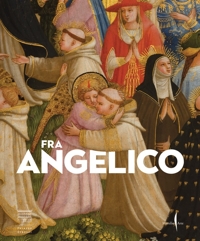
Beato Angelico. Ediz. a colori
Firenze, Palazzo Strozzi, September 26, 2025 - January 25, 2026.
Edited by Carl Brandon Strehlke.
Testi di Stefano Casciu, Marco Mozzo, Angelo Tartuferi.
Venezia, 2025; hardback, pp. 440, 300 col. ill., cm 25,2x29,8.
cover price: € 80.00
|
Books included in the offer:
Beato Angelico. Ediz. a colori
Firenze, Palazzo Strozzi, September 26, 2025 - January 25, 2026.
Edited by Carl Brandon Strehlke.
Testi di Stefano Casciu, Marco Mozzo, Angelo Tartuferi.
Venezia, 2025; hardback, pp. 440, 300 col. ill., cm 25,2x29,8.
FREE (cover price: € 80.00)
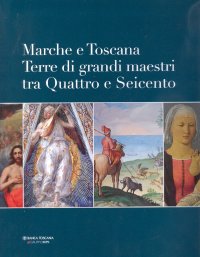
Marche e Toscana. Terre di grandi maestri tra Quattro e Seicento
Ospedaletto, 2007; bound, pp. 320, col. ill., col. plates, cm 25,5x29.
FREE (cover price: € 77.00)
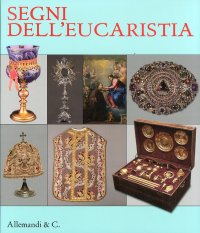
Segni dell'Eucarestia
Edited by M. Luisa Polichetti.
Ancona, Osimo, Loreto Jesi, Senigallia, Fabriano e Metelica, 23 giugno - 31 ottobre 2011.
Torino, 2011; paperback, pp. 221, b/w and col. ill., cm 24x28.
FREE (cover price: € 32.00)
Wang Guangyi. Words and Thoughts 1985-2012
Paproni Demetrio
Skira
English Text.
Milano, 2013; hardback, pp. 352, 400 col. ill., cm 24x28.
ISBN: 88-572-1567-9 - EAN13: 9788857215679
Subject: Monographs (Painting and Drawing),Monographs (Sculpture and Decorative Arts)
Period: 1960- Contemporary Period
Places: Out of Europe
Languages: 
Weight: 2.66 kg
This monograph reveals for the first time the entire oeuvre of the artist, whose works are classified in China under the genre of Political Pop, and are kept in the collections of the most important museums and foundations in the world.
Born in Heilongjiang Province in 1956, Wang Guangyi became one of the great stars of contemporary Chinese art through his Great Criticism series. Through the juxtaposition of two definitely opposing ideologies, each represented through iconic symbols, Guangyi criticises Communism and consumerism while negating both by combining them skilfully. Stylistically merging the government-enforced aesthetic of Agitprop with the kitsch sensibility of American Pop, Guangyi's work adopts the cold-war language of the 1960s to ironically examine the contemporary issues of globalisation. Amalgamating, confusing and blurring opposing ideological beliefs, Guangyi's billboard-sized canvases readily sell out national valour, while simultaneously devaluing status symbol luxury for the proletariat cause.

Pietro Bellotti Detto Canaletty. Un Vedutista Veneziano nella Francia dell'Ancien Régime
Gli occhi dell'arte. Scritti, studi e opere in onore di Ferdinando Peretti. Ediz. italiana e inglese

Studi e ricerche di storia dell'architettura (2024). Vol. 16: Rootless-Senza radici
Conte e Mattarella. Sul palcoscenico e dietro le quinte del Quirinale. Un racconto sulle istituzioni
