






 LATEST ART BOOKS
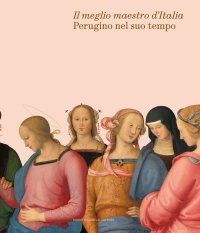
Perugino e il Suo Tempo. "Il Meglio Maestro d'Italia"
Perugia, Galleria Nazionale dell'Umbria, March 4 - June 11, 2023.
Edited by Picchiarelli V. and Pierini M.
Milano, 2023; bound, pp. 592, 650 col. ill., cm 24x21.
cover price: € 40.00
|
Books included in the offer:
Perugino e il Suo Tempo. "Il Meglio Maestro d'Italia"
Perugia, Galleria Nazionale dell'Umbria, March 4 - June 11, 2023.
Edited by Picchiarelli V. and Pierini M.
Milano, 2023; bound, pp. 592, 650 col. ill., cm 24x21.
FREE (cover price: € 40.00)
Michele Rocca e la pittura rococo a Roma
Brescia, 2004; bound in a case, pp. 310, b/w and col. ill., tavv., cm 24,5x31,5.
FREE (cover price: € 180.00)
Cucinare per gli amici
Translation by S. Mancuso.
Milano, 2012; clothbound, pp. 269, ill., cm 21x26,5.
(Gli Illustrati).
FREE (cover price: € 29.90)
Manga Kamishibai. The Art of Japanese Paper Theater
Nash Eric P.
Harry N. Abrams, Inc.
English Text.
New York NY, 2009; hardback, pp. 304, 250 col. ill., cm 23x24.
ISBN: 0-8109-5303-X - EAN13: 9780810953031
Subject: Graphic Arts (Prints, Drawings, Engravings, Miniatures),Theatre
Places: Out of Europe
Extra: Oriental Art and Culture
Languages: 
Weight: 1.45 kg
"Manga Kamishibai: The Art of Japanese Paper Theater" is the first book of its kind to examine the origin of the modern manga phenomenon. Kamishibai (paper theatre) is a fascinating and nearly vanished Japanese art form that paved the way for modern-day comic books and is central to the phenomenon of manga. During the height of kamishibai in the 1930s, the gaito kamishibaya (street-corner storyteller) acted as an entertainer and reporter, gathering residents of local towns for the much-anticipated picture show - which was economically backed by selling candy, roasted chestnuts, and sweet potatoes to the children. Typically the storyteller would travel to several villages during the day and set up his butai, (a miniature wooden proscenium), through which the illustrated boards were shown. The stories that were depicted ranged from action-packed westerns, period pieces, traditional folk tales, and melodramas, to nightly news reporting on World War II. More than just illustrated pictures, a good storyteller would act out the parts of each character with different voices and facial expressions. As television was introduced to Japan, the art of kamishibai died out; its influence, however, can still be seen in modern pop culture - from videogames to manga comics. Author Eric P. Nash conducted years of extensive research, and was granted unprecedented access to little-known archives of kamishibai in Tokyo. With rare images and expert writing, this book will easily become an essential guide to the origins of manga and its history.

Pietro Bellotti Detto Canaletty. Un Vedutista Veneziano nella Francia dell'Ancien Régime
Officina Zanon 1946-2026. 80 anni di sapere artigiano-80 Years of craft knowledge. Ediz. bilingue

Conte e Mattarella. Sul palcoscenico e dietro le quinte del Quirinale. Un racconto sulle istituzioni
