






 LATEST ART BOOKS
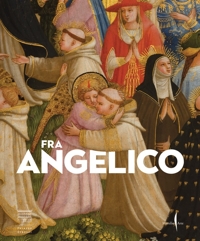
Beato Angelico. Ediz. a colori
Firenze, Palazzo Strozzi, September 26, 2025 - January 25, 2026.
Edited by Carl Brandon Strehlke.
Testi di Stefano Casciu, Marco Mozzo, Angelo Tartuferi.
Venezia, 2025; hardback, pp. 440, 300 col. ill., cm 25,2x29,8.
cover price: € 80.00
|
Books included in the offer:
Beato Angelico. Ediz. a colori
Firenze, Palazzo Strozzi, September 26, 2025 - January 25, 2026.
Edited by Carl Brandon Strehlke.
Testi di Stefano Casciu, Marco Mozzo, Angelo Tartuferi.
Venezia, 2025; hardback, pp. 440, 300 col. ill., cm 25,2x29,8.
FREE (cover price: € 80.00)
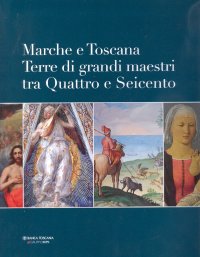
Marche e Toscana. Terre di grandi maestri tra Quattro e Seicento
Ospedaletto, 2007; bound, pp. 320, col. ill., col. plates, cm 25,5x29.
FREE (cover price: € 77.00)
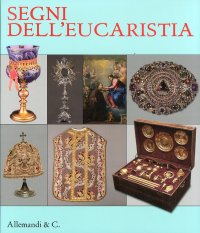
Segni dell'Eucarestia
Edited by M. Luisa Polichetti.
Ancona, Osimo, Loreto Jesi, Senigallia, Fabriano e Metelica, 23 giugno - 31 ottobre 2011.
Torino, 2011; paperback, pp. 221, b/w and col. ill., cm 24x28.
FREE (cover price: € 32.00)
Chinoiserie. Evolution of the Oriental Style in Italy from the 14th to the 19th Century
Morena Francesco
Centro Di
Translation by Leckey E.
English Text.
Firenze, 2009; paperback, pp. 320, 95 b/w ill., 200 col. plates, cm 24x30.
Other editions available: Edizione italiana [ISBN 978-88-7038-450-5].
ISBN: 88-7038-451-9 - EAN13: 9788870384512
Subject: Essays (Art or Architecture),Graphic Arts (Prints, Drawings, Engravings, Miniatures)
Period: 0-1000 (0-XI) Ancient World,1000-1400 (XII-XIV) Middle Ages,1800-1960 (XIX-XX) Modern Period
Places: Italy,Out of Europe
Extra: Bizantyn Art,Oriental Art and Culture
Languages: 
Weight: 0.98 kg
The style developed slightly later in Italy than at other European courts, but flourished rapidly and spectacularly during the 18th century when a passion for the Orient heavily influenced the rococo style. Throughout the peninsula many of the Italian courts - from the Bourbons in Sicily and Campania to the Savoys in Piedmont, from the Veneto to papal Rome and including Florence and the Medici, later Lorraine, Grand Duchy - indulged their enthusiasm for chinoiseries creating some intriguing works of art. No field was left untouched: from architecture (the Chinese Palace at Palermo) to interior decorative painting (the rooms frescoed by Tiepolo in Vicenza and the 'Chinese' rooms of Naples and Palermo), from ceramics and porcelain (the Capodimonte Porcelain Room) to cabinet making (Venetian lacquered furniture in particular, but also the Lacquer Room in Turin), to fabrics and all other decorative arts.


Santa Maria dell'Anima. Dinamiche Sociali e Arte di una Comunità Straniera a Roma tra '400 e '600
