






 LATEST ART BOOKS
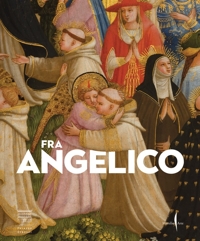
Beato Angelico
Firenze, Palazzo Strozzi, September 26, 2025 - January 25, 2026.
Edited by Carl Brandon Strehlke.
Testi di Stefano Casciu, Marco Mozzo, Angelo Tartuferi.
Venezia, 2025; bound, pp. 440, 300 col. ill., cm 25,2x29,8.
cover price: € 80.00
|
Books included in the offer:
Beato Angelico
Firenze, Palazzo Strozzi, September 26, 2025 - January 25, 2026.
Edited by Carl Brandon Strehlke.
Testi di Stefano Casciu, Marco Mozzo, Angelo Tartuferi.
Venezia, 2025; bound, pp. 440, 300 col. ill., cm 25,2x29,8.
FREE (cover price: € 80.00)
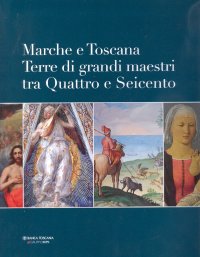
Marche e Toscana. Terre di grandi maestri tra Quattro e Seicento
Ospedaletto, 2007; bound, pp. 320, col. ill., col. plates, cm 25,5x29.
FREE (cover price: € 77.00)
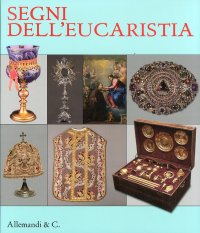
Segni dell'Eucarestia
Edited by M. Luisa Polichetti.
Ancona, Osimo, Loreto Jesi, Senigallia, Fabriano e Metelica, 23 giugno - 31 ottobre 2011.
Torino, 2011; paperback, pp. 221, b/w and col. ill., cm 24x28.
FREE (cover price: € 32.00)
Names of numbers. Vol. 2
Misaki Kawai
Produzioni Nero
English Text.
Roma, 2017; bound, pp. 60, ill., tavv., cm 24x33,5.
series: Names of numbers
ISBN: 88-97503-32-2 - EAN13: 9788897503323
Subject: Essays (Art or Architecture),Graphic Arts (Prints, Drawings, Engravings, Miniatures),Monographs (Painting and Drawing)
Period: 1960- Contemporary Period
Languages: 
Weight: 0.39 kg
The series' aim is to consider drawing as a common language, often complementary or parallel to other forms of artistic or intellectual production. Each book presents 30 tables by a single author. The flexible nature of drawing, and its ability to manifest the representational capacity of the imagination, lead its uses to assume a variety of different forms: the drawings collected in this series alternately appear like diaries, studies, drafts, syntheses, memories, or even, simply, expressions of leisurely interest.
This second volume is dedicated to the work of Misaki Kawai (1978). Born in Osaka, Japan, Kawai divides her time between her hometown and New York. In addition to painting, she uses cheap, manufactured found objects to assemble sculptures of bizarrely stylised modern environments, featuring characters that represent both her real and imagined communities. The 30 tables collected in this book all portray the simple anthropomorphic figures that constitute the symbolic and graphic alphabet at the basis of Kawai's large-scale works.
NERO


Santa Maria dell'Anima. Dinamiche Sociali e Arte di una Comunità Straniera a Roma tra '400 e '600
