






 LATEST ART BOOKS
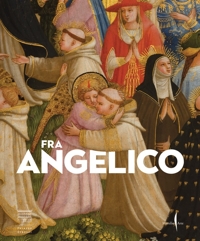
Beato Angelico
Firenze, Palazzo Strozzi, September 26, 2025 - January 25, 2026.
Edited by Carl Brandon Strehlke.
Testi di Stefano Casciu, Marco Mozzo, Angelo Tartuferi.
Venezia, 2025; bound, pp. 440, 300 col. ill., cm 25,2x29,8.
cover price: € 80.00
|
Books included in the offer:
Beato Angelico
Firenze, Palazzo Strozzi, September 26, 2025 - January 25, 2026.
Edited by Carl Brandon Strehlke.
Testi di Stefano Casciu, Marco Mozzo, Angelo Tartuferi.
Venezia, 2025; bound, pp. 440, 300 col. ill., cm 25,2x29,8.
FREE (cover price: € 80.00)
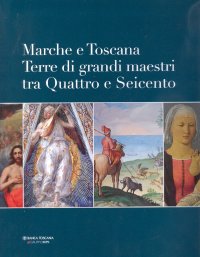
Marche e Toscana. Terre di grandi maestri tra Quattro e Seicento
Ospedaletto, 2007; bound, pp. 320, col. ill., col. plates, cm 25,5x29.
FREE (cover price: € 77.00)
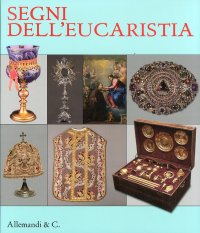
Segni dell'Eucarestia
Edited by M. Luisa Polichetti.
Ancona, Osimo, Loreto Jesi, Senigallia, Fabriano e Metelica, 23 giugno - 31 ottobre 2011.
Torino, 2011; paperback, pp. 221, b/w and col. ill., cm 24x28.
FREE (cover price: € 32.00)
Lucio Fontana. At the Roots of Spatialism
Miracco Renato
Gangemi Editore
Milano, October 26 - November 26, 2006.
Roma, 2006; bound, pp. 128, ill., cm 22x31,5.
(Arte, Disegno, Rilievo, Design).
series: Arte, Disegno, Rilievo, Design
ISBN: 88-492-1118-X - EAN13: 9788849211184
Subject: Collections,Essays (Art or Architecture),Monographs (Painting and Drawing)
Period: 1800-1960 (XIX-XX) Modern Period,1960- Contemporary Period
Languages: 
Weight: 0.94 kg
His relentless investigation began in the thirties and continued for the rest of his life; it focused on finding dimensions, "spaces" and new shapes.
Yet despite all this, it took a long time for Lucio Fontana's work to capture the attention of the discerning American public, initially enthralled by the European modernism of the French school. This is one reason why today, while the Solomon R. Guggenheim Museum in New York is exhibiting the magnificent rare body of works, "Venice/New York," we are pleased to present to the same public a selection of works illustrating the progress and evolution of Fontana's research on signs and matter. The exhibition combines his aperture towards the modern movement while he was in South America with his works inspired by the atmosphere in Milan based, so to speak, on metaphysical considerations and the practical application of his studies and interiors or on the everyday aesthetics represented by the world of fashion. Finally, I would like to draw attention to the remarkable and unique photographs of Lucio Fontana, chosen and kindly donated by a close friend of the artist, Giuseppe Loy, a photographer whose archives have yet to be fully exploited.


Santa Maria dell'Anima. Dinamiche Sociali e Arte di una Comunità Straniera a Roma tra '400 e '600
