






 LATEST ART BOOKS
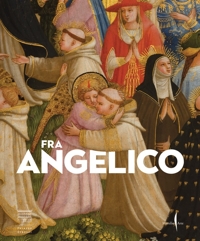
Beato Angelico
Firenze, Palazzo Strozzi, September 26, 2025 - January 25, 2026.
Edited by Carl Brandon Strehlke.
Testi di Stefano Casciu, Marco Mozzo, Angelo Tartuferi.
Venezia, 2025; bound, pp. 440, 300 col. ill., cm 25,2x29,8.
cover price: € 80.00
|
Books included in the offer:
Beato Angelico
Firenze, Palazzo Strozzi, September 26, 2025 - January 25, 2026.
Edited by Carl Brandon Strehlke.
Testi di Stefano Casciu, Marco Mozzo, Angelo Tartuferi.
Venezia, 2025; bound, pp. 440, 300 col. ill., cm 25,2x29,8.
FREE (cover price: € 80.00)
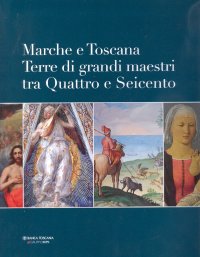
Marche e Toscana. Terre di grandi maestri tra Quattro e Seicento
Ospedaletto, 2007; bound, pp. 320, col. ill., col. plates, cm 25,5x29.
FREE (cover price: € 77.00)
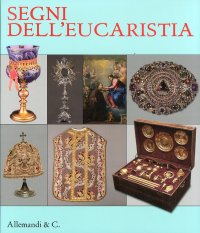
Segni dell'Eucarestia
Edited by M. Luisa Polichetti.
Ancona, Osimo, Loreto Jesi, Senigallia, Fabriano e Metelica, 23 giugno - 31 ottobre 2011.
Torino, 2011; paperback, pp. 221, b/w and col. ill., cm 24x28.
FREE (cover price: € 32.00)
Natino Chirico. Mitologie di un eterno presente
Marziani Gianluca
Carlo Cambi Editore
Poggibonsi, 1996; paperback, pp. 100, col. ill., col. plates, cm 19x23.
ISBN: 88-6403-224-X - EAN13: 9788864032245
Subject: Collections,Essays (Art or Architecture),Monographs (Painting and Drawing),Painting
Period: 1960- Contemporary Period
Languages: 
Weight: 0.79 kg
Catalogue and exhibition in Palazzo Collicola Arti Visive begin with the artworks created between the half of the Seventies and the beginning of the Eighties. These paintings show a first artistic strategy, that is to say the lowering of the chromatic temperature and the fragmentation of the figures. Here Chirico excluded the city concept and was fond of all the painting tools, easel, tubes, and so on.
A turn toward the colour arrived shortly after, in the second half the Eighties. The figure opened up to a winding landscape, made of vivid and abstract colours. Than, from a certain moment on, the author focused on the mythologies of the present, on the lightnings illuminating the collective imaginary.


Santa Maria dell'Anima. Dinamiche Sociali e Arte di una Comunità Straniera a Roma tra '400 e '600
