




 LATEST ART BOOKS
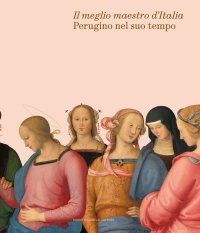
Perugino e il Suo Tempo. "Il Meglio Maestro d'Italia"
Perugia, Galleria Nazionale dell'Umbria, March 4 - June 11, 2023.
Edited by Picchiarelli V. and Pierini M.
Milano, 2023; bound, pp. 592, 650 col. ill., cm 24x21.
cover price: € 40.00
|
Books included in the offer:
Perugino e il Suo Tempo. "Il Meglio Maestro d'Italia"
Perugia, Galleria Nazionale dell'Umbria, March 4 - June 11, 2023.
Edited by Picchiarelli V. and Pierini M.
Milano, 2023; bound, pp. 592, 650 col. ill., cm 24x21.
FREE (cover price: € 40.00)
Michele Rocca e la pittura rococo a Roma
Brescia, 2004; bound in a case, pp. 310, b/w and col. ill., tavv., cm 24,5x31,5.
FREE (cover price: € 180.00)
Cucinare per gli amici
Translation by S. Mancuso.
Milano, 2012; clothbound, pp. 269, ill., cm 21x26,5.
(Gli Illustrati).
FREE (cover price: € 29.90)
The Art of Transformation. Grotesques in Sixteenth-Century Italy
Maria Fabricius Hansen
Quasar Riviste
Roma, 2018; bound, pp. 476, 400 col. ill., cm 24x27,5.
(Analecta Romana Instituti Danici. Supplementa. 49).
series: Analecta Romana Instituti Danici. Supplementa
ISBN: 88-7140-864-0 - EAN13: 9788871408644
Subject: Essays (Art or Architecture),Painting
Period: 1400-1800 (XV-XVIII) Renaissance
Places: Italy
Languages: 
Weight: 2.81 kg
Originally, 'grotesques' (grottesche) referred to the frescoes that decorated the socalled grottoes of ancient Roman ruins. Sixteenth-century grotesques, however, differ from their ancient predecessors due to the strategies of change and ambivalence that inform them. Interpreting sixteenth-century grotesques as an art of transformation, this book also considers other art forms, such as gardens, artificial grottoes, and decorative art, which were likewise conditioned by this contemporary preoccupation with metamorphosis in style and content.
This extensively illustrated book analyzes grotesques thematically, focusing on the concept of the artist and notions of artistic creation as well as relationships to traditions of Antiquity and the medieval period, art and nature, and movement and space. It offers an overview of important tendencies in sixteenth-century visual culture that have been neglected in art histories of canonical great masters and autonomous easel painting, as known from museums. The Art of Transformation brings the grotesques of sixteenth-century Italy to the fore as a field in visual culture with the potential to transform conventional views concerning art of this period.