






 LATEST ART BOOKS
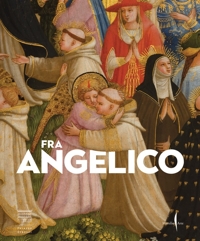
Beato Angelico. Ediz. a colori
Firenze, Palazzo Strozzi, September 26, 2025 - January 25, 2026.
Edited by Carl Brandon Strehlke.
Testi di Stefano Casciu, Marco Mozzo, Angelo Tartuferi.
Venezia, 2025; hardback, pp. 440, 300 col. ill., cm 25,2x29,8.
cover price: € 80.00
|
Books included in the offer:
Beato Angelico. Ediz. a colori
Firenze, Palazzo Strozzi, September 26, 2025 - January 25, 2026.
Edited by Carl Brandon Strehlke.
Testi di Stefano Casciu, Marco Mozzo, Angelo Tartuferi.
Venezia, 2025; hardback, pp. 440, 300 col. ill., cm 25,2x29,8.
FREE (cover price: € 80.00)
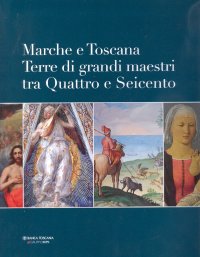
Marche e Toscana. Terre di grandi maestri tra Quattro e Seicento
Ospedaletto, 2007; bound, pp. 320, col. ill., col. plates, cm 25,5x29.
FREE (cover price: € 77.00)
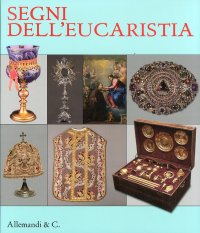
Segni dell'Eucarestia
Edited by M. Luisa Polichetti.
Ancona, Osimo, Loreto Jesi, Senigallia, Fabriano e Metelica, 23 giugno - 31 ottobre 2011.
Torino, 2011; paperback, pp. 221, b/w and col. ill., cm 24x28.
FREE (cover price: € 32.00)
Sing Sing. Il corpo di Pompei. Pompeii's Body
Luigi Spina
Five Continents Editions
Italian and English Text.
Milano, 2020; bound, pp. 116, col. ill., cm 28x28.
ISBN: 88-7439-916-2 - EAN13: 9788874399161
Subject: Photography
Places: Campania,Naples
Languages: 

Weight: 1.155 kg
In Luigi Spina's work, a rusty iron door concealed under several coats of paint stands for the Pillars of Hercules. When it opens, we find ourselves peering into a long narrow hallway: our eyes need to become accustomed to the light. We are standing in what has always been inexplicably called Sing Sing: cells barred by grates preserving the memories of a material culture that hails from Pompei and Ercolano.
Bronze, glass, ceramic, and terracotta artifacts fill these rooms, evoking the catastrophic eruption of 79 AD that brought everyday life in this area to a sudden end. The shelves are cluttered with candle sticks, decorations, handles, statues, pots, oil lamps... and even charred bread. It all bears living and highly significant testimony to the natural holocaust when the actions of the God Vulcan led to an unprecedented tragedy.
Luigi Spina's photographs lead us in the discovery of the cells, their contents, the masterpieces hidden from the eyes of the public. A table covered with a white cloth holds a series of objects from the houses of men and women whose lives were cut short in ancient times.


Santa Maria dell'Anima. Dinamiche Sociali e Arte di una Comunità Straniera a Roma tra '400 e '600
