






 LATEST ART BOOKS
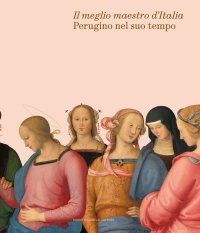
Perugino e il Suo Tempo. "Il Meglio Maestro d'Italia"
Perugia, Galleria Nazionale dell'Umbria, March 4 - June 11, 2023.
Edited by Picchiarelli V. and Pierini M.
Milano, 2023; bound, pp. 592, 650 col. ill., cm 24x21.
cover price: € 40.00
|
Books included in the offer:
Perugino e il Suo Tempo. "Il Meglio Maestro d'Italia"
Perugia, Galleria Nazionale dell'Umbria, March 4 - June 11, 2023.
Edited by Picchiarelli V. and Pierini M.
Milano, 2023; bound, pp. 592, 650 col. ill., cm 24x21.
FREE (cover price: € 40.00)
Michele Rocca e la pittura rococo a Roma
Brescia, 2004; bound in a case, pp. 310, b/w and col. ill., tavv., cm 24,5x31,5.
FREE (cover price: € 180.00)
Cucinare per gli amici
Translation by S. Mancuso.
Milano, 2012; clothbound, pp. 269, ill., cm 21x26,5.
(Gli Illustrati).
FREE (cover price: € 29.90)
Historic Houses of the Nobility in Piedmont. Case Antiche della Nobiltà in Piemonte
Listri Massimo
Umberto Allemandi & C.
Edited by Re Rebaudengo A.
Translation by Garvey A. M.
Italian and English Text.
Torino, 2005; bound, pp. 259, ill., col. plates, cm 24x34.
ISBN: 88-422-1395-0 - EAN13: 9788842213956
Subject: Civil Architecture/Art,History of Architecture,Military Architecture/Art
Places: Piedmont and Valle d'Aosta
Languages: 

Weight: 1.97 kg
Reflection on historic residences and castles consequently leads to a discourse on the aristocracy, for every Piedmontese house included in this book was originally built to be lived in by the nobility, and all conserve this peculiarity. Contrary to what occurred to the aristocratic town houses, the majority of which have changed hands, country houses have tended to remain within the family of the original owners, be it occasionally through the female line.
Due to their long-standing connections with the surrounding land, the aristocracy favoured their country seats, linked as they were to the traditions and power of the nobility, and as such came to be seen by their descendants as a tangible testimony to family history. The repertoire of residences displayed in this volume bear witness to a number of common values in European culture spanning several centuries, for these properties were a way of expressing an identity and a distinction from society, favouring hierarchy rather than equality.


Out of Catalog
