






 LATEST ART BOOKS
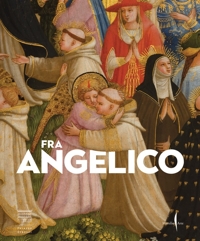
Beato Angelico. Ediz. a colori
Firenze, Palazzo Strozzi, September 26, 2025 - January 25, 2026.
Edited by Carl Brandon Strehlke.
Testi di Stefano Casciu, Marco Mozzo, Angelo Tartuferi.
Venezia, 2025; hardback, pp. 440, 300 col. ill., cm 25,2x29,8.
cover price: € 80.00
|
Books included in the offer:
Beato Angelico. Ediz. a colori
Firenze, Palazzo Strozzi, September 26, 2025 - January 25, 2026.
Edited by Carl Brandon Strehlke.
Testi di Stefano Casciu, Marco Mozzo, Angelo Tartuferi.
Venezia, 2025; hardback, pp. 440, 300 col. ill., cm 25,2x29,8.
FREE (cover price: € 80.00)
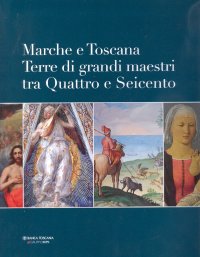
Marche e Toscana. Terre di grandi maestri tra Quattro e Seicento
Ospedaletto, 2007; bound, pp. 320, col. ill., col. plates, cm 25,5x29.
FREE (cover price: € 77.00)
Segni dell'Eucarestia
Edited by M. Luisa Polichetti.
Ancona, Osimo, Loreto Jesi, Senigallia, Fabriano e Metelica, 23 giugno - 31 ottobre 2011.
Torino, 2011; paperback, pp. 221, b/w and col. ill., cm 24x28.
FREE (cover price: € 32.00)

Roots
José Parlá
Damiani
English Text.
Bologna, 2017; bound, pp. 96, 105 col. ill., cm 25x30.
ISBN: 88-6208-563-X - EAN13: 9788862085632
Subject: Collections,Photography
Period: 1960- Contemporary Period
Languages: 
Weight: 0.91 kg
Parlá produces a gestural landscape with juxtaposed characters, hieroglyphs, and words within paintings and sculptures that are deliberately created to serve as carriers of meaning. The titles of his works often create playful connotations as signifiers to specific places or times, thus becoming clues to decoding the work.
Parlá's grandfather was an aviation pioneer who flew between Key West and Mariel, Cuba, on a biplane made of sugarcane and bamboo, which he named Caña Brava. The Cuban aviator's legacy continues to serve as an inspiration to the artist and his family. José Parlá spent his formative years immersed in the thriving underground art scenes of Miami, while frequently traveling to other cities, including Beijing, Havana, Istanbul, New York, Paris, Sydney, Hong Kong, Shanghai, Tokyo, London, and San Juan, as well as to many other countries in which the multicultural environment and social processes deeply impacted his perception of urban space. In his practice, like his grandfather's flight between the United States and Cuba in 1912, José Parlá highlights the cultural bonds between communities and the expression thereof.

Dalle Alpi Giulie al mare. Viaggio nella biodiversità. From the Julian Alps to the Adriatic

Santa Maria dell'Anima. Dinamiche Sociali e Arte di una Comunità Straniera a Roma tra '400 e '600
