






 LATEST ART BOOKS
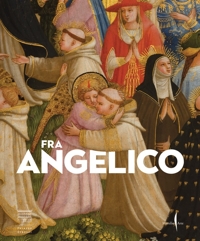
Beato Angelico. Ediz. a colori
Firenze, Palazzo Strozzi, September 26, 2025 - January 25, 2026.
Edited by Carl Brandon Strehlke.
Testi di Stefano Casciu, Marco Mozzo, Angelo Tartuferi.
Venezia, 2025; hardback, pp. 440, 300 col. ill., cm 25,2x29,8.
cover price: € 80.00
|
Books included in the offer:
Beato Angelico. Ediz. a colori
Firenze, Palazzo Strozzi, September 26, 2025 - January 25, 2026.
Edited by Carl Brandon Strehlke.
Testi di Stefano Casciu, Marco Mozzo, Angelo Tartuferi.
Venezia, 2025; hardback, pp. 440, 300 col. ill., cm 25,2x29,8.
FREE (cover price: € 80.00)
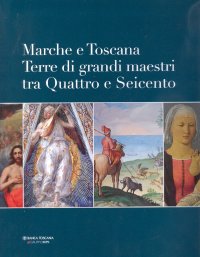
Marche e Toscana. Terre di grandi maestri tra Quattro e Seicento
Ospedaletto, 2007; bound, pp. 320, col. ill., col. plates, cm 25,5x29.
FREE (cover price: € 77.00)
Segni dell'Eucarestia
Edited by M. Luisa Polichetti.
Ancona, Osimo, Loreto Jesi, Senigallia, Fabriano e Metelica, 23 giugno - 31 ottobre 2011.
Torino, 2011; paperback, pp. 221, b/w and col. ill., cm 24x28.
FREE (cover price: € 32.00)

The History of Qatari Architecture. 1800-1950
Jaidah Ibrahim Mohamed
Skira
English Text.
Milano, 2009; clothbound, pp. 336, 1000 b/w ill., cm 24x28.
ISBN: 88-6130-793-0 - EAN13: 9788861307933
Subject: History of Architecture
Period: 1800-1960 (XIX-XX) Modern Period
Languages: 
Weight: 1.66 kg
Historically, in the old architecture of Qatar, the urban development of cities and villages was based on the creation of agglomerations of housing units.
These agglomerations were the essence of traditional Qatari architecture which can be defined as architecture of social values, derived from a combination of different factors such as religion, privacy, and the extended family.
After the discovery of oil, Qatar became a wealthy country and saw the introduction of a new modern language which did not reflect the vernacular architecture.
Key Sales Information - The purpose of this book is to tell the history of Qatari architecture through the description of old cities and villages, public buildings and domestic spaces declared as cultural heritage.
- Following a multi-disciplinary approach that emphasizes sociological aspects, it examines the architecture of individual houses, and also structural materials used for their construction, in addition to those of palaces, funerary monuments, and mosques.
- The drawings depict the best examples of Qatari architecture. The text, easy and relatively concise, is comprehensive and complete enough even for students of architecture. Highly recommended for both public and academic libraries.
Authors Ibrahim Jaidah is an architect who trained at the University of Oklahoma and has worked for the Ministry of Municipal Affairs and Agriculture.
Malika Bourennane, trained at the Royal Institute of Technology, School of Architecture and the Built Environment, in Stockholm, is an architect and a member of the International Architects, Designers and Planners for Social Responsibility.

Dalle Alpi Giulie al mare. Viaggio nella biodiversità. From the Julian Alps to the Adriatic

Santa Maria dell'Anima. Dinamiche Sociali e Arte di una Comunità Straniera a Roma tra '400 e '600
