






 LATEST ART BOOKS
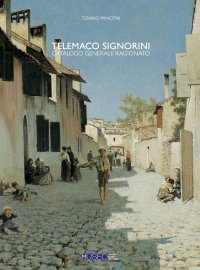
Telemaco Signorini. Catalogo generale ragionato delle opere
Pistoia, 2019; bound, pp. 810, 1500 b/w and col. ill., cm 21,5x29,5.
cover price: € 240.00
|
Books included in the offer:
Telemaco Signorini. Catalogo generale ragionato delle opere
Pistoia, 2019; bound, pp. 810, 1500 b/w and col. ill., cm 21,5x29,5.
FREE (cover price: € 240.00)
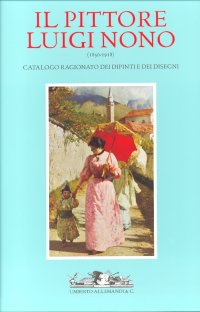
Il Pittore Luigi Nono (1850-1918). Catalogo Ragionato dei Dipinti e dei Disegni. La Vita, i Documenti, le Opere
Torino, 2006; 2 vols., bound in a case, pp. 576, 862 b/w ill., 117 col. plates, cm 25x34.
(Varia).
FREE (cover price: € 250.00)
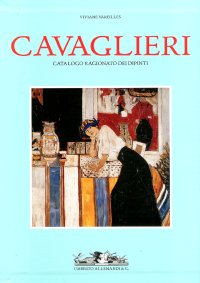
Cavaglieri. Catalogo Ragionato dei Dipinti: la Vita e le Opere. Catalogo delle Opere
Torino, 2006; 2 vols., bound in a case, pp. 608, b/w ill., 125 col. ill., 125 col. plates, cm 25x35.
(Archivi dell'Ottocento).
FREE (cover price: € 250.00)
Gericault
Glou Athanasso
Phaidon Press Limited
London, 2009; paperback, 195 col. plates, cm 25x29.
ISBN: 0-7148-4400-4 - EAN13: 9780714844008
Subject: Essays (Art or Architecture),Monographs (Painting and Drawing),Painting
Period: 1400-1800 (XV-XVIII) Renaissance,1800-1960 (XIX-XX) Modern Period
Languages: 
Weight: 1.88 kg
This new monograph explores the life and works of Theodore Gericault (1791-1824), whose compelling career and legacy continue to captivate audiences, artists and critics alike. In her comprehensive survey, Nina Athanassoglou-Kallmyer pays tribute to established Gericault scholarship, but also reassesses the career of an artist too easily miscast as the archetypal 'tortured soul' of art-historical Romantic mythology. She examines Gericault's career in the context of Restoration France, a society under the controversial rule of Louis XVIII, in which civic structures, political process and even aesthetic categories were the subject of vigorous popular debate. Gericault immersed himself in these polemics, taking an intense interest in the fait divers, or 'daily happenings', of his time.Athanassoglou-Kallmyer explores his interest in medical and psychiatric science (as exemplified by a series of portraits of monomaniacs), his empathy for the poor and dispossessed (the subject of numerous lithographs) and the entrepreneurial spirit that led him to exhibit his epic canvas, the Raft of the Medusa, in London as a commercial venture. Gericault is presented as an artist committed to capturing contemporary life with creative integrity and dramatic verve. Born into a provincial middle-class family, Gericault used an inheritance from his mother's death to pursue his artistic vocation, training first under Vernet and Guerin before spending four years on his own course of independent study. His choice of Renaissance and Baroque masters such as Titian, Caravaggio and Rubens as models shaped his aesthetic agenda and encouraged him to break away from the Neo-classicism favoured by his early tutors.Further influenced by a vogue for modern, military subjects, Gericault presented himself at the 1812 Salon with the dashing Charging Chasseur, a critical success that the artist was unable to repeat when he presented again at the Salon three years later. A period of stylistic experimentation followed: Gericault travelled to Rome to absorb classical examples and strove to develop his 'grand' style. The effort spent here served Gericault well when he returned to France and began work on the Raft of the Medusa, a politically charged project that absorbed the painter in obsessive study for more than a year. In her analysis of this enduring image, Athanassoglou-Kallmyer addresses the perception of Gericault as a tragic figure, drawn by temperament to the depiction of morbid and macabre themes, discussing this painting among others in the context of Romantic taste for the 'Gothic' and its political and artistic implications.Gericault suffered a nervous breakdown in 1819, following the Medusa's disappointing reception at the Salon, and retreated to England, where he abandoned grand projects in favour of lighter, more fashionable work. It was not until 1823, on his deathbed, that Gericault's interest in large-scale work was revived and he produced a wealth of sketches for future compositions. These plans, full of energy and drama, serve to suggest why this immensely talented artist has continued to influence artists from the time of his death to the present.


Santa Maria dell'Anima. Dinamiche Sociali e Arte di una Comunità Straniera a Roma tra '400 e '600
