




 LATEST ART BOOKS
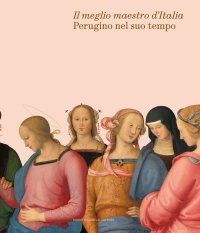
Perugino e il Suo Tempo. "Il Meglio Maestro d'Italia"
Perugia, Galleria Nazionale dell'Umbria, March 4 - June 11, 2023.
Edited by Picchiarelli V. and Pierini M.
Milano, 2023; bound, pp. 592, 650 col. ill., cm 24x21.
cover price: € 40.00
|
Books included in the offer:
Perugino e il Suo Tempo. "Il Meglio Maestro d'Italia"
Perugia, Galleria Nazionale dell'Umbria, March 4 - June 11, 2023.
Edited by Picchiarelli V. and Pierini M.
Milano, 2023; bound, pp. 592, 650 col. ill., cm 24x21.
FREE (cover price: € 40.00)
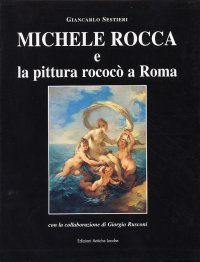
Michele Rocca e la pittura rococo a Roma
Brescia, 2004; bound in a case, pp. 310, b/w and col. ill., tavv., cm 24,5x31,5.
FREE (cover price: € 180.00)
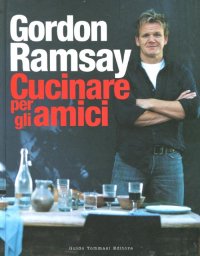
Cucinare per gli amici
Translation by S. Mancuso.
Milano, 2012; clothbound, pp. 269, ill., cm 21x26,5.
(Gli Illustrati).
FREE (cover price: € 29.90)
Giuseppe Penone. Sculture di linfa. La Biennale di Venezia. 52ª Esposizone internazionale d'arte. Padiglione italiano
Gianelli Ida
Electa
Berlin, Staatlichen Museen, August 3 - November 8, 2007.
Venezia, 52ª Esposizone Internazionale d'Arte, Padiglione italiano, 2007.
Italian and English Text.
Milano, 2007; paperback, pp. 232, b/w and col. ill., tavv., cm 23x30.
(Cataloghi di Mostre).
series: Cataloghi di Mostre
ISBN: 88-370-5479-3 - EAN13: 9788837054793
Subject: Collections,Essays (Art or Architecture),Monographs (Sculpture and Decorative Arts),Sculpture
Period: 1960- Contemporary Period
Places: Italy
Languages: 

Weight: 1.486 kg
One of the leading representatives of Arte Povera is the Turin-based artist Giuseppe Penone, who has coherently developed the principles of the artistic movement identified by Germano Celant in 1966-67, which lie in "the use of simple, natural, antiartistic materials to emphasize its energy and analyze natural processes." This is exactly what Penone does when he outlines his hand with nails in a tree trunk or flanks the growth of a tree with the human body ("Working on Trees", 1968), signals the relations between the body and the external world ("Turning One's Eyes Inside Out", 1970) or explores the epidermis photographically ("Developing One's Skin", 1970). He then extends his exploration in depth ("Landscapes of the Brain", photographs of the inside of the skull correlated with the leaves of a tree).