




 LATEST ART BOOKS
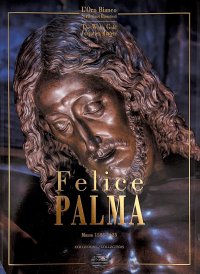
Felice Palma. Massa 1583-1625. Collezione / Collection.
Texts by Claudio Casini, Andrei Cristina, Ciarlo Nicola, Federici Fabrizio and Sara Ragni.
Italian and English Text.
Pontedera, 2024; bound in a case, pp. 289, b/w and col. ill., b/w and col. plates, cm 24,5x34.
(L'Oro Bianco. Straordinari Dimenticati. The White Gold Forgotten Masters).
cover price: € 160.00
|
Books included in the offer:
Felice Palma. Massa 1583-1625. Collezione / Collection.
Texts by Claudio Casini, Andrei Cristina, Ciarlo Nicola, Federici Fabrizio and Sara Ragni.
Italian and English Text.
Pontedera, 2024; bound in a case, pp. 289, b/w and col. ill., b/w and col. plates, cm 24,5x34.
(L'Oro Bianco. Straordinari Dimenticati. The White Gold Forgotten Masters).
FREE (cover price: € 160.00)
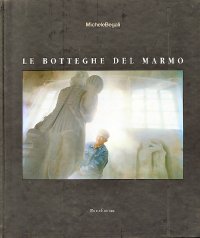
Le botteghe del marmo
Italian and English Text.
Ospedaletto, 1992; bound, pp. 153, 10 b/w ill., 60 col. ill., cm 24x29.
(Immagine).
FREE (cover price: € 34.49)
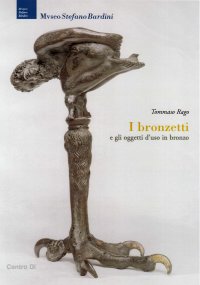
Museo Stefano Bardini. I Bronzetti e gli Oggetti d'Uso in Bronzo
Edited by Nesi A.
Firenze, 2009; paperback, pp. 191, 102 b/w ill., 7 col. ill., cm 17x24,5.
(Museo Stefano Bardini).
FREE (cover price: € 30.00)
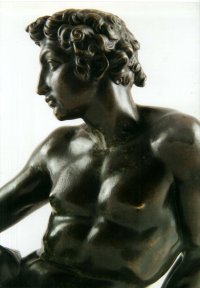
Bronzetti e Rilievi dal XV al XVIII Secolo
Bologna, 2015; 2 vols., bound in a case, pp. 729, ill., col. plates, cm 21,5x30,5.
FREE (cover price: € 90.00)
The Lost, Last Words of Mies van der Rohe. The Lohan Tapes from 1969
Fritz Neumeyer
DOM Publishers
Edited by Fritz Neumeyer.
English Text.
Berlin, 2020; paperback, pp. 112, 70 col. ill., cm 21x23.
ISBN: 3-86922-767-2 - EAN13: 9783869227672
Subject: Architects and their Practices,Essays (Art or Architecture)
Period: 1960- Contemporary Period
Languages: 
Weight: 0.5 kg
The conversations relayed in the typescript reveal the famously reticent Mies speaking about his own life with a level of detail, precision, and candour found nowhere else. They shed new light on Mies's character - not only as a serious, philosophical man but also as a human being alive to the humorous aspects of life. This book features a foreword by Dirk Lohan and an introductory essay by Fritz Neumeyer, one of the world's most eminent scholars on Mies. Neumeyer's commentary and analysis provide keen insights into how Mies developed his architectural thinking during his early career, on his way to becoming one of the most important modern architects of the twentieth century.